A Backpacker’s Guide to Backcountry Huts in New Zealand
Backcountry huts in New Zealand are an iconic part of the stunning landscape. If you’re a backpacker, staying in a hut should be at the top of your New Zealand bucket list.
🇳🇿 This post is a part of my New Zealand Travel Guide.
Some of the best hut to hut hikes in the world are located in the backcountry of New Zealand. Nothing else quite compares to New Zealand trekking and the flora and fauna you encounter along the way.
➡️ Get my complete New Zealand South Island itinerary for 21 days here. It includes everything I did with campsites and a road trip map with drive times.
Throughout the following sections, you’ll learn about categories of backcountry huts, hut etiquette, what to expect, what to pack for your stay, and more. Be prepared for exploring remote parts of New Zealand safely.
➡️ Stumped on what to back for backpacking? See my gear to bring backpacking list.
Staying at a backcountry hut was one of my top experiences in Aotearoa. I wasn’t quite sure what to expect before I got there, but I can assure you, it is a must-do. By booking a hut I was able to hike farther than I otherwise would have in a single day.
➡️ Get your New Zealand packing list here (includes hiking and backpacking gear you need to pack).
Become completely immersed in New Zealand’s natural beauty and get to know fellow travellers. Overnighting at a backcountry hut is more extraordinary than staying at a typical Department of Conservation (DOC) campsite. Plus, sometimes you need a break from driving a campervan around New Zealand.
You’ll be an expert on backcountry huts and what to expect in no time!
Disclosure: This post may contain affiliate links. If you purchase through these links, I may earn a small commission at no extra cost to you. I only recommend products I’ve personally used, tested, and genuinely love. Thank you for supporting Emma Gets Outside!

📌 Pin this image on Pinterest to save this post for reference.
Why stay at backcountry huts in New Zealand?
There are numerous reasons to overnight at a backcountry hut, but I’ll highlight a few choice motivators:
Commune With Nature
Staying at backcountry huts in New Zealand means you can watch the sunset or wake up with the sunrise, and take in the remarkable alpenglow on the mountains.
This lighting is rarely experienced during a day trip, unless you hike in the dark. (Been there, done that. Sunrise photos can be worth it though.)
Staying in a cozy hut and not having to tramp through the cold and pitch black with only the light of your headlamp for company is a no-brainer option. Plus, you can crawl right back into your toasty sleeping bag after getting up to gaze upon the rising sun.
Stargazing is also incredible in places away from city lights. Kilometers away from any light sources, backcountry huts feature insanely starry skies.
When nature called in the middle of the night, I left my bunk room at the hut I was staying in and wondered outside to find the restroom. The stars! I just stood outside with my neck craning straight up to take in the celestial magic I was witnessing. They were so bright I almost forgot why I went outside in the first place.
Explore and Learn
You can also hike further into the bush than you otherwise could have in a single day. I hiked 18 km (just over 11 miles) one-way to Welcome Flat Hut on the Copland Track. Doing that trip in just a single day and trekking over 36 km would have been a much more ambitious challenge.
When you stay at a hut you can meet people and learn about the area you’re trekking in. If there’s a hut warden, they can likely tell you the history of the hut and hiking track. Bond with other trekkers and hear their stories.
I absolutely loved the hut warden talk at the Welcome Flat Hut. Peter, the warden, rambled on for about an hour discussing the history of the hut and hot pools. People asked questions that were happily answered and my appreciation of the Copland Valley grew immensely.
When you stay at a backcountry hut there’s no tent required! Make your pack lighter and logistics easier. We didn’t need to pack a tent with us when we flew from the US to New Zealand, saving valuable suitcase space.
➡️ Get tips on what NOT to bring backpacking. Avoid these beginner mistakes.
New Zealand Hut Reservations
If you need to know how to book New Zealand hut reservations, see my post about DOC campgrounds in New Zealand. I go over all the details from how to create a Department of Conservation account, to step-by-step booking a hut or campsite.
There’s also valuable information about booking huts on New Zealand’s Great Walks. These huts are extremely popular and book out months in advance.
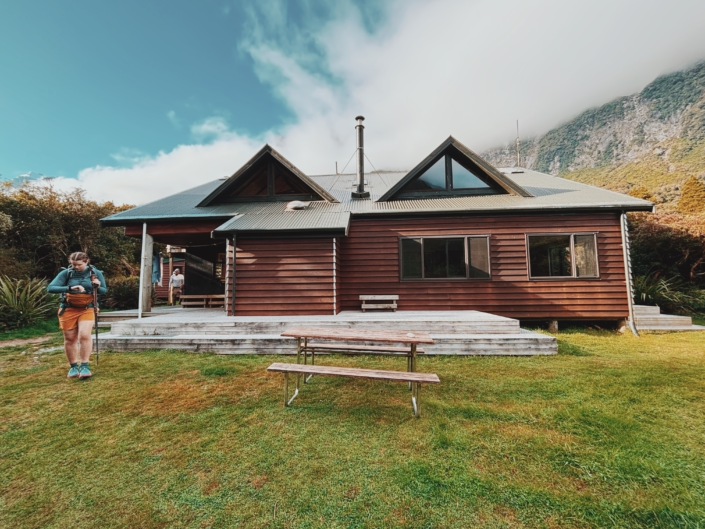
Categories of New Zealand Backcountry Huts
There are various types of New Zealand huts, each with unique facilities and services. Prices per night vary depending on amenities. You may need to book in advance, or they are first-come, first-served. Here’s the breakdown:
Great Walk Huts
Obviously, these are the huts you’ll find along New Zealand’s Great Walks. Fully serviced and kitted out with mattresses, toilets, hand-washing faucets, a consistent water supply, and heating. They may also feature lighting provided by solar panels, cooking facilities, and a hut warden.
Great Walk huts are very comfortable with top-notch facilities. Consider yourself lucky if you can book one (or several). You’ll need to book these as soon as the open dates are released around May. New Zealand hut to hut hiking is an unparalleled experience.
Individually Priced Huts
These huts include serviced alpine huts that have individual fees and popular huts. The pricing per night varies with these accommodations. Check out the list of individually priced huts on the DOC website.
The Welcome Flat Hut, where I stayed, is a serviced hut and is individually priced. You will need to book these huts in advance.
Serviced Huts
Similar to Great Walk huts, you’ll find mattresses, toilets, hand-washing faucets, a consistent water supply, and heating. They may also feature lighting provided by solar panels, cooking facilities, and a hut warden.
Serviced huts may also feature areas to camp outside the hut for a fee. You must book the hut and/or campsite in advance.
Standard Huts
More basic than the serviced huts, standard huts feature mattresses, a water supply, and toilets. There may also be a wood heater, depending on the location. It is free to camp outside of standard huts.
You might not need a booking for a standard hut. Check if the hut you want to stay at is first-come, first-served.
Basic Huts/Bivvies
Check the facilities of the basic hut you want to stay at. Mattresses, toilets, and bunks might be available, along with a water source. You may need to bring your own backpacking sleeping mat. These huts can be free and first-come, first-served.
Club Huts
A club hut is operated by local clubs, like the New Zealand Alpine Club. The club may be partnered with DOC. Generally, these huts are open to the public, but you may be required to hold a membership with the club or pay other fees.
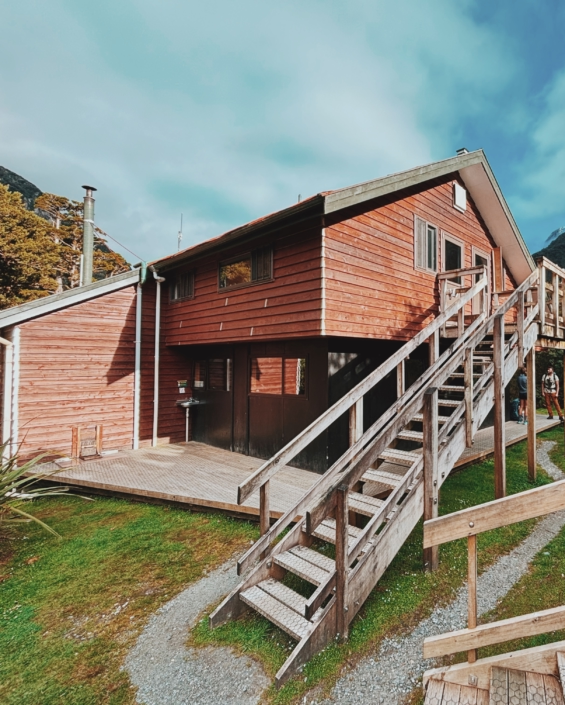
Check Your Hut Category Before You Go
Imagine arriving at a backcountry hut after tramping all day, only to realize that hut accommodations are by reservation only. That would seriously suck.
Do your research before planning to stay at a hut. Each one is unique, and you may need to bring more or fewer supplies. Use the DOC hut locator to filter out huts with facilities you want.
Also make use of this DOC huts map. With over 950 huts in New Zealand, seeing them all plotted out on a map helps you plan.
Another fantastic resource to have is a backcountry huts NZ book. A Bunk for the Night by Rob Brown & Geoff Spearpoint Shaun Barnett is a classic one. It features over 200 of the most popular huts.
New Zealand Backcountry Huts: What to Expect in Summer
Here’s a list of facilities and amenities you might find at a hut. Each one is different, so know what to expect before you go.
- Sleeping bunks with mattress pads
- Toilets
- Candle holders if lighting is not provided
- Gas or wood heating
- A water source — although you will need to filter or boil it before drinking
- Broom and brush pan to clean up the floors
- Hut user book (intentions book)
- If the hut is popular for hunting, there may be meat safes and dog kennels
What you will not find at New Zealand backcountry huts:
- Food and cooking supplies, including pots, pans, and utensils
- Sheets, blankets, pillows
- Rubbish bins
- Showers
- Toilet paper
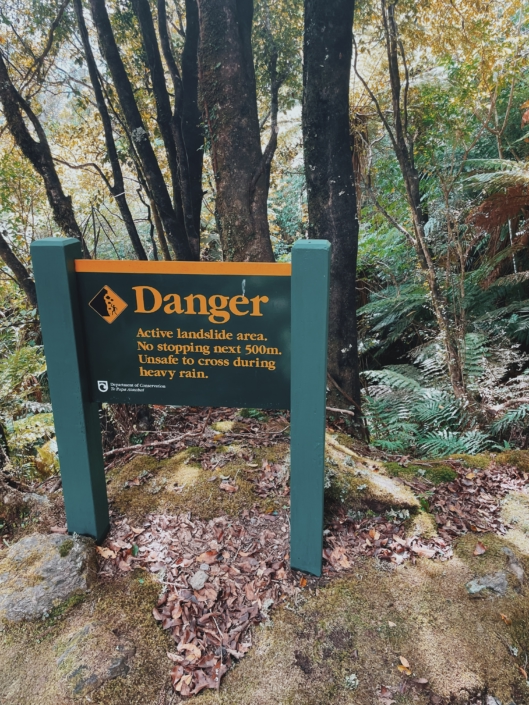
Always check the weather before you start tramping. Rain events can cause avalanches in the mountains and river levels can rise to dangerous flows.
Staying at a hut in the winter is an entirely different beast with more gear and backcountry knowledge required.
If you’re new to backpacking, pick a shorter, less challenging route to start with. It can be easy to overpack as a newbie and lugging a too heavy bag over a far and technical distance can be less than ideal.
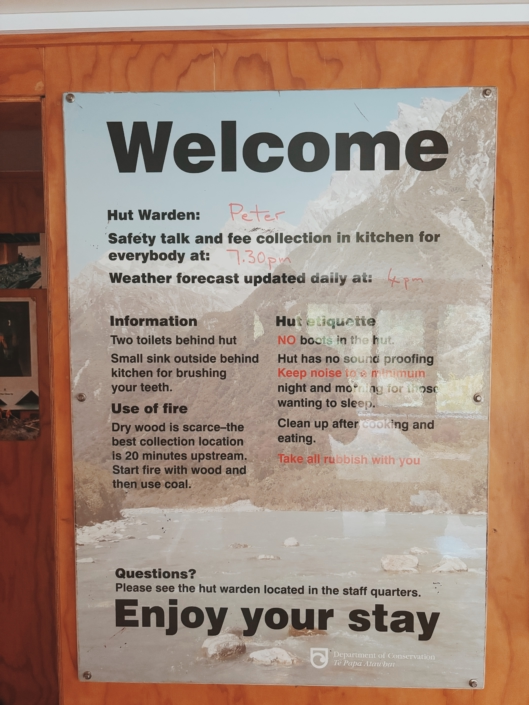
New Zealand Backcountry Huts Etiquette — “Hut Users Code”
Follow these rules to keep the hut clean and ready for the next guests.
- Keep huts clean. A broom is provided to sweep up after you leave. Outdoor shoes are not allowed inside. Bring another pair of shoes, like lightweight sandals, or walk around in socks.
- If there is a gas heating or cooking source, be sure to conserve it. Always vent the area properly when cooking with gas. Turn gas heaters off at night and before you leave.
- If there is a wood heater, never leave the fire unattended. Burn dry wood and extinguish the fire completely before you leave. Be considerate of the next guests and conserve wood.
- Stay quiet while others are sleeping and share boiled water to conserve cooking gas. Be a nice human. Don’t set a loud alarm in the morning or shine lights around.
- Take all rubbish with you! That includes food scraps. Leave No Trace.
- Smoking and vaping are not allowed in huts. Take cigarette butts with you.
- Know the rules about hunting before you go.
- Dogs aren’t allowed inside any huts.
- Close all the doors and windows before you head out.
- If there is a fee, be sure to pay it!
- Sign in with the intentions book. This can aid with search and rescue efforts if they are needed.
What to Bring to New Zealand Backcountry Huts
What you’ll need to bring depends on the type of hut you’re staying at, but here’s a list of gear I’d recommend taking with you for a summer hut trip:
Gear for Summer Backpacking
- A Backpack — This is an important one! I saw so many people in New Zealand with bags bursting at the seams for a one-night stay at a hut. You don’t need as much as you think you do.
- Wear the same clothes for a couple of days (but change socks and underwear). I’ve gone on backpacking trips wearing the same shirt and pants for 4 days without washing. The secret is merino wool! More on that later.
- Don’t bring tons of “things you think you *might* use.” You’ll likely be so tired from a long day’s trek that you’ll just want to go to sleep.
- If your bag is big, you’ll fill it up. I used a 34L bag for my hut stay. Usually, that’s my large day hike bag size, but I was able to cram my sleeping bag in there along with everything else I needed for just a night. My partner was able to fit the Jet Boil in his 32L bag with his sleeping bag and other necessities.
- Water filter and/or water boiling capability (Jet Boil)
- Test your filter before hitting the trail, and ensure you have enough fuel for boiling water
- Water bladder and/or bottles
- All food, snacks, meals, electrolytes, etc.
- Spork to eat with — Essential for eating out of backpacking meal bags
- Headlamp — Check batteries and charge level
- Trekking poles — Super helpful for stream crossings
- Toilet paper — Reminder: you probably don’t need a whole roll for a few nights. If you do need an entire roll for a day or two, I hope you’re ok…
- Kula cloth
- Satelite communication
More details about these items are in my post about packing for a day hike.
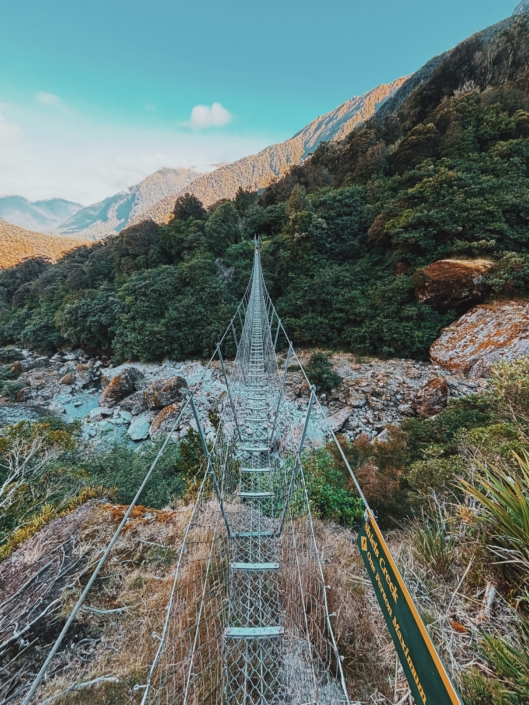
Extras:
- Smartwatch or other fitness tracker — My Garmin Enduro 3 is incredible. Get weeks — yes, WEEKS — of battery life on a full charge. It’s one of the items on my favorite gear list.
- Phone or camera for photos
- Phone charger with battery pack
- Journal and pen
- Deck of cards
- Again, don’t go crazy and bring a bunch of “stuff,” but a few lightweight items are alright.
Backcountry Hut Sleeping Setup:
- Sleeping bag — Required! There are no sheets provided at the hut.
- Optional: Sleeping pad if you like a bit of extra cushion on top of the hut-provided mattresses.
- “Mattress” is a loose term. Although not uncomfortable, if I had to sleep on a hut-provided mattress for several days in a row, my hips and back might complain.
- Optional: Backpacking pillow — For me, totally worth it
- Optional: Sleeping bag liner — For chilly nights with no heat source
- Optional: Sleep mask and earplugs to drown out snoring hutmates
Backpacking Clothing:
- Appropriate footwear — You know yourself and whether you prefer sturdy boots with ankle support or a trail runner shoe.
- There could be stream crossings on your trek, and you might need to get your shoes wet. Keep in mind that non-waterproof trail runners will dry quickly.
- A pair of sandals or other lightweight shoes for walking around in the hut
- Rain jacket and optional rain pants
- Warm jacket
- Wool socks
- Wool bra and underwear — Branwyn is the best brand I’ve found
- Wool long sleeve hoodie
- Hiking shorts or pants
- Hiking Hat
- Hiking gloves if using poles
- Optional: Swimsuit
See my post about moisture wicking hiking clothes made from merino wool to learn more about all things wool. And if you struggle to find women’s hiking pants that fit your curves, I’ve got you covered too.
Backpacking Toiletries:
- Toothbrush and toothpaste
- Deodorant
- Sunscreen
- Hand sanitizer — Don’t skip this! Use before eating. When people get sick while backpacking they think it’s the water, but it’s usually because they didn’t clean their hands before eating.
- Any medications you need
- Optional: face wash and travel towel
- Optional: baby wipes
A Final Word on Backcountry DOC Huts New Zealand
As you would with any hike, plan ahead and be prepared. Huts are located in remote areas likely without cell service. Tell someone where you’re going and what time you expect to check back in with them.
Watch the sky and don’t leave the hut if there’s an extreme rain event happening. Bring extra food with you in case you need to wait out a storm.
Use your common sense while out in the backcountry. If you get a weird feeling, trust your gut. Stay safe out there!
Find More Things to Do in New Zealand
What to Expect on a Milford Sound Boat Tour
10 Bucket-List-Worthy Outdoor Things To Do Near Wānaka and Queenstown
Fox Glacier Heli Hike Experience Review | Everything You Need to Know
9 FREE Things To Do in Auckland | Exploring on a Budget