Electrolytes for Hiking: Do You Need Them? My Favorite Picks
Do you really need electrolytes for hiking?
If you’ve ever finished a hike with a pounding headache, white salt streaks on your shirt, or legs that feel completely drained, you’ve probably wondered whether electrolytes actually make a difference.
The short answer: sometimes, yes. You don’t need an electrolyte supplement on every hike, but they can make a noticeable difference during long, hot, strenuous, or especially sweaty days on the trail.
I’ve tried dozens of electrolyte products over the years, from powders and gels to SaltStick tablets. I’ve learned that they all serve different purposes. In this guide, I’ll explain when you actually need electrolytes, how much you need, and which products I pack for different hikes.
This article is based on my personal hiking experience and general research, not medical advice.
Disclosure: This post may contain affiliate links. If you purchase through these links, I may earn a small commission at no extra cost to you. I only recommend products I’ve personally used, tested, and genuinely love. Thank you for supporting Emma Gets Outside!

Why Do You Need Electrolytes for Hiking?
When you sweat, you lose both water and electrolytes. Exactly how much you lose depends on the temperature, how hard you’re working, how long you’re hiking, and your individual sweat rate.
Replacing those electrolytes can be especially important during long, hot, or strenuous hikes at altitude because your body needs both fluid and sodium to maintain normal fluid balance.
One important thing to understand: more water isn’t always better. If you drink very large amounts of plain water during prolonged exercise without replacing the sodium you’re losing through sweat, you can dilute the sodium concentration in your blood.
That doesn’t mean you need electrolytes on every hike. For a short, easy hike in mild conditions, drinking when you’re thirsty and eating your normal meals and snacks is often enough.
➡️ Learn more about hiking at altitude in my hiking 14ers post. The tips don’t just apply to Colorado 14ers, but any high alpine hiking situation.
What Are Electrolytes?
Electrolytes are minerals that carry an electrical charge in your body. They play important roles in:
- Fluid balance
- Muscle function
- Nerve function
- Normal cellular function
The main electrolytes you’ll see in electrolyte supplements are:
- Sodium
- Potassium
- Magnesium
- Calcium
For hiking and other endurance activities, sodium is particularly important because it’s one of the primary electrolytes lost through sweat. And sodium losses can vary dramatically from one person to another.
I think I’m a particularly salty sweater. After a sweaty hike, my face can feel gritty as the sweat dries, and I sometimes notice white, crusty salt rings on my clothing. If you’ve experienced something similar, you may also lose a relatively high amount of sodium through sweat.

When Do You Need Electrolytes for Hiking?
You may benefit from electrolytes when you’re:
- Hiking for several hours
- Hiking in hot weather
- Sweating heavily
- Doing a strenuous hike
- Hiking at high elevation
- Hiking on back-to-back days
Altitude can add another layer to hydration. You’re breathing faster and often breathing much drier air, which can increase fluid loss. Combine that with strenuous hiking, sweating, and a long day on the trail, and staying hydrated becomes even more important.
That doesn’t mean you automatically need an electrolyte supplement every time you hike above a certain elevation. Your hydration and electrolyte needs depend on the conditions and, importantly, your individual sweat rate.
When Water May Be Enough
For many shorter, easier hikes, you don’t need a specialized electrolyte product.
Plain water and your normal food may be enough when you’re:
- Hiking for a short period
- In cool or mild weather
- Doing an easy or moderate hike
- Not sweating heavily
- Eating regular meals and snacks
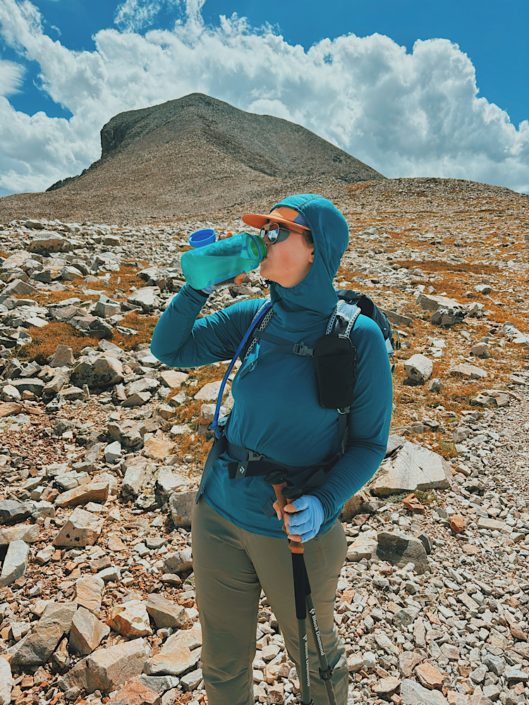
How Much Water and Electrolytes Do You Need While Hiking?
There isn’t one magic amount of water or electrolytes that every hiker needs. Your needs depend on the temperature, hike duration, elevation, intensity, and (most importantly) how much you sweat.
As a rough starting point, many hikers need somewhere around 0.4–0.8 liters (13–27 ounces) of fluid per hour, but your personal needs may fall outside that range. A short hike on a cool morning is very different from an all-day hike through exposed desert terrain.
Electrolyte products vary just as much. Some are taken periodically, while others are mixed into your water and consumed throughout the hike. Follow the serving instructions for the specific product you’re using.
The goal isn’t to drink or consume as many electrolytes as possible. It’s to replace the fluid and electrolytes you’re losing.
Signs You May Need More Fluids or Electrolytes
Your body can give you some clues that it’s time to pay more attention to hydration.
Watch for:
- Unusual thirst
- Heavy sweating
- Headache
- Unusual fatigue or weakness
- Feeling lightheaded
- A noticeable drop in performance
- Muscle symptoms
Some fatigue and muscle soreness are completely normal after a hard hike, so don’t assume every symptom means you need an electrolyte supplement. Pay attention to how you’re feeling compared with what you’d normally expect from that hike.
When to Stop Hiking
If you develop confusion, fainting, severe weakness, loss of coordination, or other signs of serious heat or altitude illness, don’t try to push through it. Stop exercising, get somewhere safe, cool yourself down, descend in elevation, and seek medical help when appropriate.
When in doubt, it’s better to turn around early than try to finish a hike when your body is telling you something is wrong.
The Different Types of Electrolytes for Hiking
Not every electrolyte product does the same thing. Some are designed to replace electrolytes while you drink, while others are primarily hiking fuel with added electrolytes. There are also concentrated electrolyte tablets that you can take alongside your water and food.
I’ve tried all of these formats over the years, and I use them differently depending on the hike:
- Electrolyte powders: Mix into water for hydration + electrolytes
- Energy gels: Quick carbohydrates for energy, with some also containing electrolytes or caffeine
- Energy chews: Bite-sized carbohydrates for fuel, with some added electrolytes
- SaltStick: Concentrated electrolyte supplementation without needing to mix anything into your water
None of these is necessarily “better” than the others. They’re simply useful for different situations. Here’s how I use each one and my favorite products in each category.
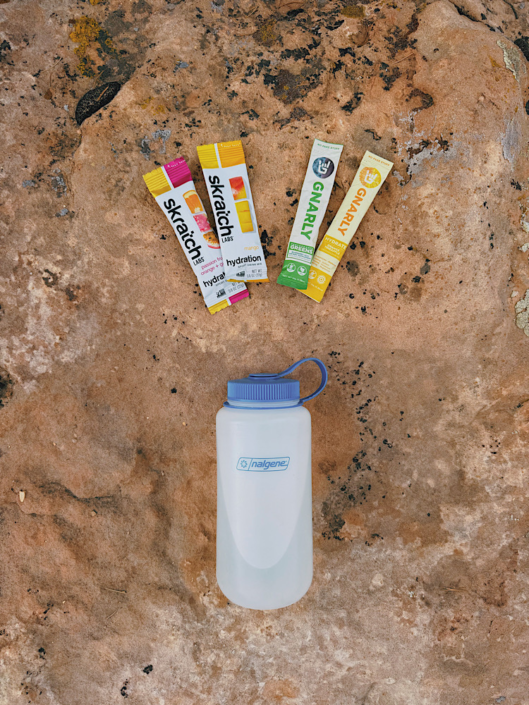
Electrolyte Powders for Water
Best for: Hydration + electrolytes
Pros: Get fluids and electrolytes at the same time
Cons: You need water to mix them
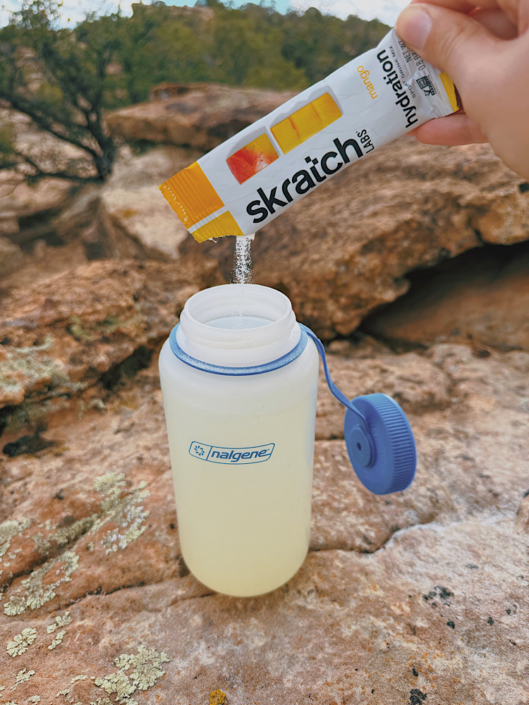
Electrolyte powders are probably what most people picture when they hear “electrolytes.” You can buy them in large bags with a scoop or in individual packets that are easy to throw in your hiking pack.
Personally, I love using a water bladder but don’t like putting electrolyte powder in it because I don’t want to clean the bladder after every hike. When I’m using a powder, I usually carry an extra water bottle to mix it in.
My Favorite Electrolyte Powders
Skratch Electrolyte Mix: My favorite overall electrolyte powder because it has a refreshing flavor, a good amount of sodium for sweaty hikes, and some carbohydrates without tasting overly sweet.
Tailwind: A great choice for long or strenuous hikes because it combines electrolytes with a substantial amount of carbohydrates to help with both hydration and fueling. I buy the large bag of Tailwind and then add as many scoops as needed to my water based on my efforts.
DripDrop: An electrolyte drink based on oral rehydration principles that I reach for when my main priority is replacing fluids and electrolytes.
Cure: A simple, hydration-focused electrolyte powder made with coconut water powder and other electrolytes, without the heavy sweetness I dislike in some mixes.
Gnarly: A higher-sodium drink mix with a broad range of electrolytes that works well for longer, sweatier efforts. Gnarly definitely tastes saltier than other mixes, but it can be a good option for those who don’t like sweeter powders. The Salted Margarita flavor is excellent.
Electrolyte Mixes I Don’t Like
Liquid IV: I find Liquid IV much too sugary for my taste, especially when I’m already hot and thirsty.
Nuun: Nuun has a relatively mild flavor, but I find the tube of dissolvable tablets less convenient to carry and use on the trail.
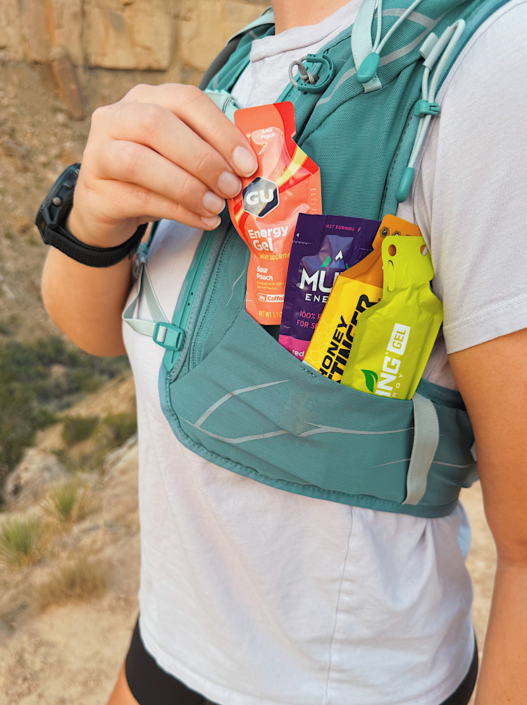
Energy Gels
Best for: Quick carbohydrates for energy
Pros: Convenient, concentrated energy
Cons: Less convenient to portion than chews
Energy gels are primarily fuel, although some also provide electrolytes and caffeine. Their main purpose is to give you a concentrated source of carbohydrates when you need quick energy. So don’t assume an energy gel replaces your electrolyte drink.
I use energy gels when I’m facing a steep climb or a particularly hard section of trail and need a boost. They really do work for me. I can feel the difference after eating one, and I usually feel more energized within a short time.
My Favorite Energy Gels
GU Energy Gels: A classic energy gel with quick carbohydrates, with different varieties offering caffeine and electrolytes. The Sour Peach flavor is my favorite.
Honey Stinger Gels: A honey-based energy gel that provides quick carbohydrates, with caffeinated and electrolyte-containing options.
For a fun snack idea: I’ve gotten to-go peanut butter that comes in little plastic containers and squeezed an original honey flavor gel into the peanut butter. Then you can dip pretzels or whatever you’d like in your peanut-honey mixture.
Muir Energy: A real-food-style energy gel made with recognizable ingredients, which is a good option if you don’t love traditional gel textures or ingredients. These can taste really salty.
Spring Energy: A real-food-based gel with a different texture and ingredient profile from traditional sports gels. Spring Energy Gels can be thick and I had to try a couple of them before I got over the texture. The Apple Pie and Icy Mango ones are the best tasting ones I’ve tried.
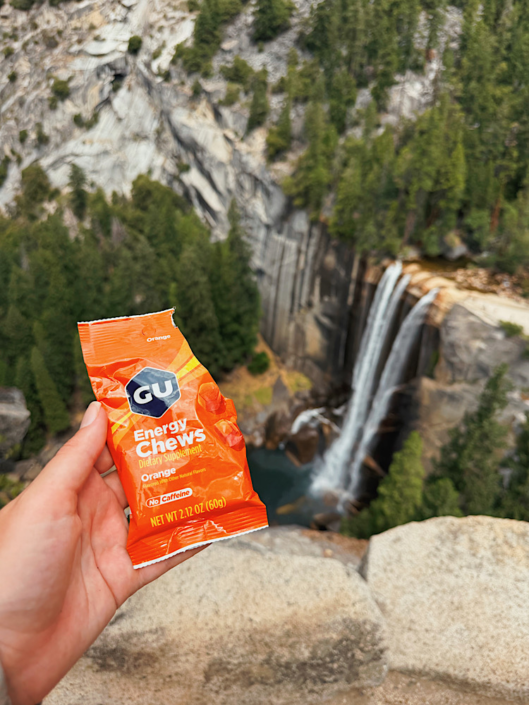
Energy Chews
Best for: Hikers who prefer a snack-like source of energy
Pros: Easy to portion and carry, quick carbohydrates
Cons: Primarily fuel, not a replacement for a high-sodium electrolyte drink
Energy chews are similar to energy gels in that they’re primarily designed to provide carbohydrates for fuel. The biggest difference is the format: instead of squeezing down a gel, you can eat a few chews at a time and save the rest for later.
I carry an open package in the hip belt pocket of my backpack so I can easily pop a couple into my mouth when I need them.
Some chews also contain electrolytes, so check the nutrition label if you’re specifically looking for sodium. Just remember that most are still primarily an energy source rather than a replacement for a high-sodium electrolyte drink.
My Favorite Energy Chews
Skratch Energy Chews: My favorite tasting chews because the flavors are yummy and their texture isn’t too chewy. They provide quick carbohydrates without feeling like you’re eating a giant serving of candy. The Lemon + Green Tea flavor is my personal fave.
Honey Stinger Chews: Soft, sweet energy chews that provide quick carbohydrates in an easy-to-portion format, with some varieties also containing electrolytes or caffeine. These are probably my second go-to as far as flavor and texture.
ProBar Bolt Chews: Fruit-flavored energy chews that provide carbohydrates along with added electrolytes, making them a good option if you want some electrolyte intake alongside your hiking fuel.
GU Energy Chews: These can be very chewy. If you like a chewy gummy, these will probably be your favorite.
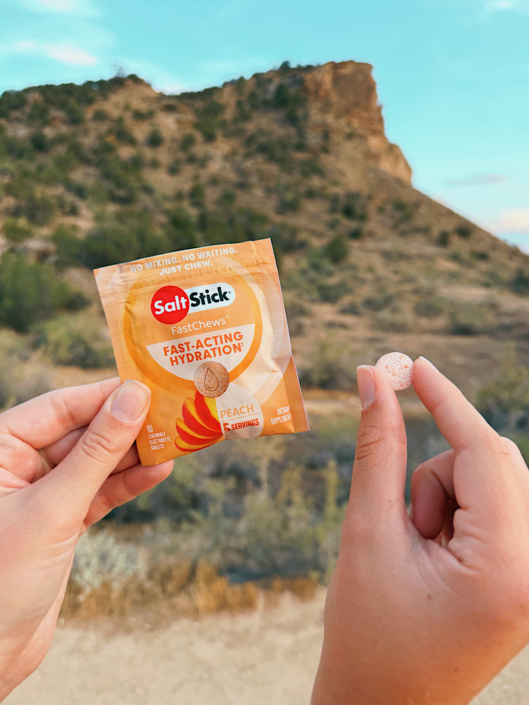
SaltStick Electrolyte Tablets
Best for: Concentrated electrolyte and sodium supplementation
Pros: No mixing, easy to carry, convenient on the go
Cons: Some people don’t like the salty taste
SaltStick is different from the other products in this guide because you’re not using it as your main source of hydration or calories. Instead, you’re taking it alongside the water and food you’re already consuming to supplement the electrolytes you’re losing through sweat.
You don’t need to mix it into a drink, which makes it especially convenient when you’re already carrying plenty of water.
I like to suck on it as it dissolves. It can be very salty if you chew it up. They’re also incredibly easy to carry. I always keep them in my hiking pack and even carry a few in my purse.
How to Choose Electrolytes for Hiking
Sodium
Probably the most important number to check if you’re specifically looking to replace electrolytes lost through sweat. Sodium needs vary significantly between people, so more isn’t automatically better. A product with very little sodium may not be particularly useful during a long, sweaty hike.
Carbohydrates
Look at this if you’re also using the product for fuel. Some electrolyte powders contain very little carbohydrate, while others (like Tailwind) provide enough to contribute meaningfully to your energy needs.
Calories
This depends on what you want the product to do. If you’re using it primarily for hydration, you may prefer fewer calories. If you’re hiking for several hours and want your drink to contribute to your fueling, calories can be useful.
Sugar and Sweeteners
This is largely personal preference. Some products are quite sweet, while others use less sugar or alternative sweeteners. If you don’t like the taste, you probably won’t drink enough of it to make it useful.
Portability
Think about how you’ll actually use it on the trail. Individual powder packets are easy to throw in a pack, but they require water and something to mix them in. Chews and SaltStick are ready to use without mixing.
Taste
Don’t underestimate this one. I would rather use an electrolyte I genuinely enjoy drinking than force myself to choke down something because it has an impressive nutrition label.
Ingredients
More ingredients doesn’t automatically mean a better electrolyte. Look at what you’re actually getting, especially sodium and carbohydrates. Don’t feel like you need a product with a long list of vitamins, minerals, and “extras” just because the label looks impressive.
Serving Size
Always check how many scoops, packets, chews, or tablets make up one serving. Two products can look very different on the front of the package but provide similar amounts of sodium once you compare them per serving.
How I Use Electrolytes for Hiking
There is no one perfect formula for using electrolytes. What I bring depends on the length, difficulty, weather, and how much I expect to sweat.
Before the Hike
Sometimes I’ll suck on a SaltStick before a hike, but usually I just make sure I’m well hydrated and have eaten a meal or snack before I start.
During the Hike
If it’s a big hike, I’ll bring a bottle of electrolyte drink in addition to my water bladder filled with regular water. This gives me the option to drink electrolytes throughout the day without putting powder in my bladder.
Before a steep climb, I like to eat a gel for a quick hit of carbohydrates. If it’s an early-morning start, I might choose one with caffeine.
Throughout the hike, I like to snack on chews, usually just a couple at a time whenever I feel like I want some extra energy. I also make sure I’m eating enough food overall, especially carbohydrate-rich snacks on long or strenuous hikes.
➡️ Learn about what things to bring on a hike with my day hike packing list.
After the Hike
If it was a particularly long or hot hike, I’ll drink another bottle of electrolyte mix afterward. I also make sure to eat a proper meal so I can refuel after a long day on the trail.
I don’t use every type of electrolyte product on every hike. I choose what to bring based on what the hike actually demands.
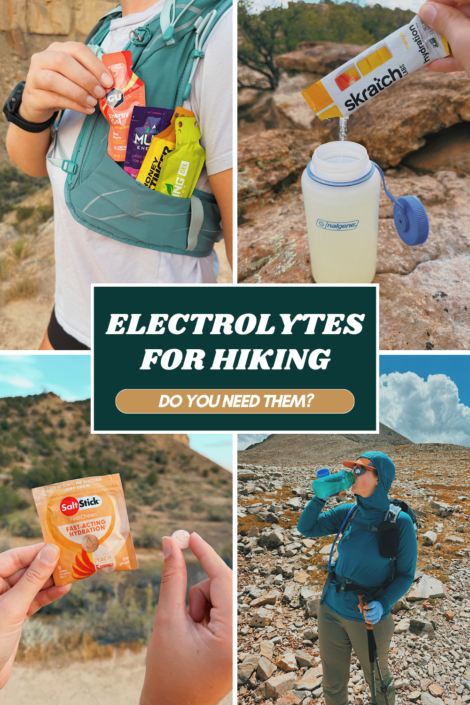
📌 Pin this image on Pinterest to save this post for reference.
Electrolytes for Hiking FAQs
Do you need electrolytes for every hike?
No. For short, easy hikes in mild weather, plain water and your normal meals or snacks are often enough. Electrolytes become more useful during long, hot, strenuous, or especially sweaty hikes.
Are electrolytes better than water for hiking?
No. Electrolytes don’t replace water. They help replenish minerals lost through sweat, while water provides the fluid your body needs. On many hikes, you’ll use both together.
What are the best electrolytes for hiking?
It depends on what you’re looking for. I use Skratch Labs for everyday hydration, Tailwind for long endurance hikes, SaltStick for concentrated sodium replacement, and Skratch Energy Chews or GU when I need quick fuel.
Should I take electrolytes before or during a hike?
Either can work. I usually focus on starting well hydrated, then use electrolyte drinks, SaltStick, or other products during longer or hotter hikes depending on how much I’m sweating.
Can you have too many electrolytes?
Yes. More isn’t always better. Your goal is to replace what you’re losing through sweat. Not to consume as much sodium as possible. Follow the serving directions for the product you’re using.
Are energy gels and chews the same as electrolytes?
Not exactly. Most gels and chews are primarily energy products that provide carbohydrates, although many also contain electrolytes. If your goal is hydration, an electrolyte powder or SaltStick is usually the better choice.