What to Wear Skiing: A Complete Guide to Layers and Gear
When I first started out, figuring out what to wear skiing was a challenge. I felt like I was constantly either freezing or sweating. It took me a couple of seasons to find the right combination of layers to stay comfortable.
You don’t need the most expensive ski gear when you’re just starting out. I certainly didn’t! I gradually upgraded my clothing as I gained experience and figured out which pieces were worth investing in.
In this guide, I’ll walk you through everything from merino wool base layers and insulated outerwear to the accessories that make a difference on cold days. I’ll also share what I’ve learned from my own gear mistakes and upgrades.
This guide focuses specifically on resort skiing, where I’ve gained my experience, rather than backcountry skiing.
➡️ If you’re brand new to skiing, check out my guide to learning to ski as an adult. I share what to expect as a beginner and the lessons I learned when I first started.
Disclosure: This post may contain affiliate links. If you purchase through these links, I may earn a small commission at no extra cost to you. I only recommend products I genuinely believe are worth considering. Thank you for supporting Emma Gets Outside!
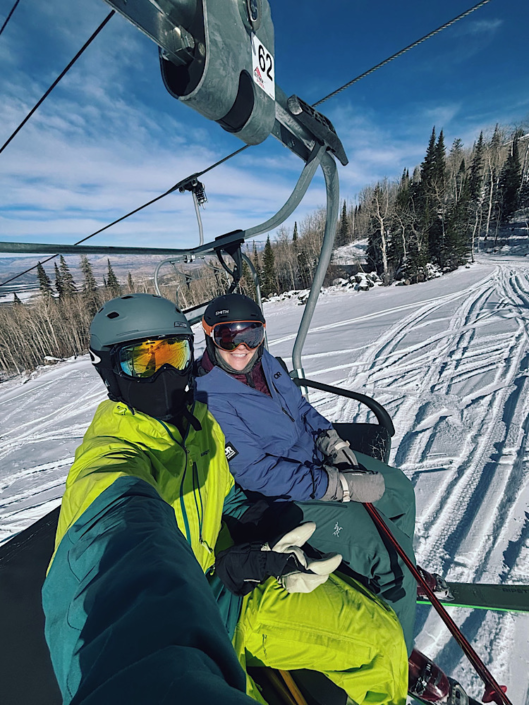
What to Wear Skiing Checklist
- Moisture-wicking underwear
- Merino wool base layer top
- Merino wool base layer bottoms
- Merino wool ski socks
- Fleece or insulated mid-layer (optional)
- Ski jacket
- Ski pants or bibs
- Helmet
- Ski goggles
- Merino wool neck gaiter
- Waterproof mittens or gloves
Once you’ve figured out what to wear skiing, you’re one step closer to hitting the slopes! For everything else you’ll need, check out my complete ski trip packing list so you don’t forget anything when preparing for your next trip.
Understanding the Three-Layer System
The key to staying warm and comfortable while skiing is layering. Instead of relying on one jacket, a three-layer system allows you to adjust your clothing based on the weather and how warm you feel.
Here’s how it works:
- Base layer: Sits against your skin and wicks away moisture to help keep you dry.
- Mid-layer: Provides extra insulation to trap body heat when temperatures drop.
- Outer layer: Protects you from wind, snow, and moisture.
You don’t necessarily need all three layers every time you ski. On warmer days, I might skip my mid layer altogether. Since I wear an insulated ski jacket and pants, I already have some extra warmth built into my outerwear.
The goal is to find a combination that keeps you warm without overheating or restricting your movement.
Base Layers for Skiing
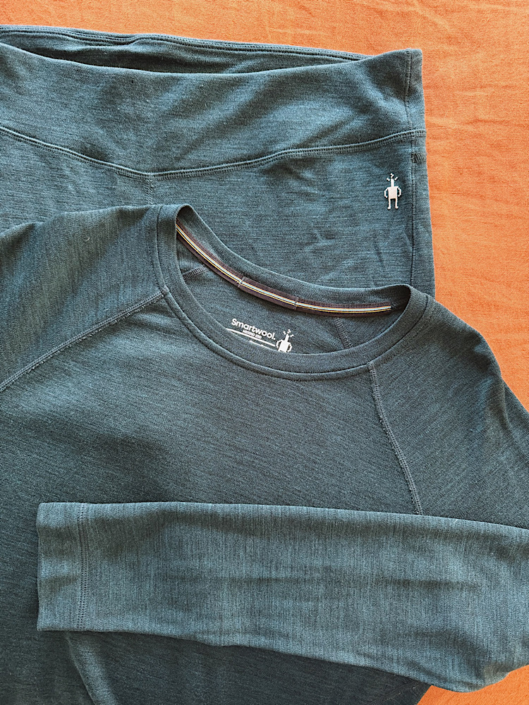
I swear by merino wool base layers because they actually work. I’ve tried synthetic base layers, but I always found they either got smelly quickly or didn’t keep me warm enough. Merino wool does a much better job of regulating my temperature, managing moisture, and resisting odors. I can even rewear my base layers.
Merino Wool Base Layer Tops
My favorite ski base layer top is the Smartwool Women’s Classic Thermal Merino Base Layer Crew. It’s one of my warmer base layers, and I love it on cold ski days. If you run hot, it might be too warm, especially with an insulated jacket or mid-layer.
For something a little lighter, I like my REI Co-op Merino 185 Long-Sleeve Crew. It’s a better option when I don’t need as much insulation.
A top on my wishlist is the Kari Traa Smekker Half Zip. I love the cute pattern and half-zip design. Being able to unzip the collar for extra ventilation sounds especially useful to wear skiing.
All three tops are 100% merino wool, which is what I look for when shopping for base layers.
Emma’s Tip: Base layers are designed to fit close to your skin so they can manage moisture effectively and layer comfortably under other clothing. If you prefer a slightly looser fit, consider sizing up, but avoid anything excessively baggy.
Merino Wool Base Layer Bottoms
Choosing merino wool base layer bottoms is a little more complicated than choosing a top. Depending on your ski sock length, you may need to roll your leggings up so extra fabric doesn’t bunch inside your ski boots.
The best leggings I’ve found to wear for skiing are the Smartwool Intraknit Thermal Merino Base Layer Bottoms. The ankle seams are much stretchier than those on traditional leggings, making them easy to roll up. I have larger, muscular calves, and these work really well for me.
My only complaint is that they’re slightly see-through. They’re also only about 50% merino wool, with the rest being synthetic fibers. However, the extra stretch makes them one of my favorite options for skiing.
If you don’t need to roll up your leggings, I also recommend the Smartwool Classic Thermal Merino Base Layer Bottoms. These are made from 100% merino wool and aren’t see-through. I wear them often while camping and have rolled them up for skiing, but the ankle seams are much tighter, which can be a little uncomfortable.
Another option I’d love to try is the Kari Traa Rose High Waist Capri. These cropped base layers are designed to end above your ski boots, so you don’t have to roll anything up. I haven’t tried capri-length base layers yet, but I love the idea of having less fabric around my calves.
Before upgrading to insulated ski pants, I wore REI Co-op Trailmade Fleece Pants for extra warmth. They worked, but the added bulk made my ski pants feel tight, so I now prefer insulated ski pants with thinner base layers.
Ski Socks
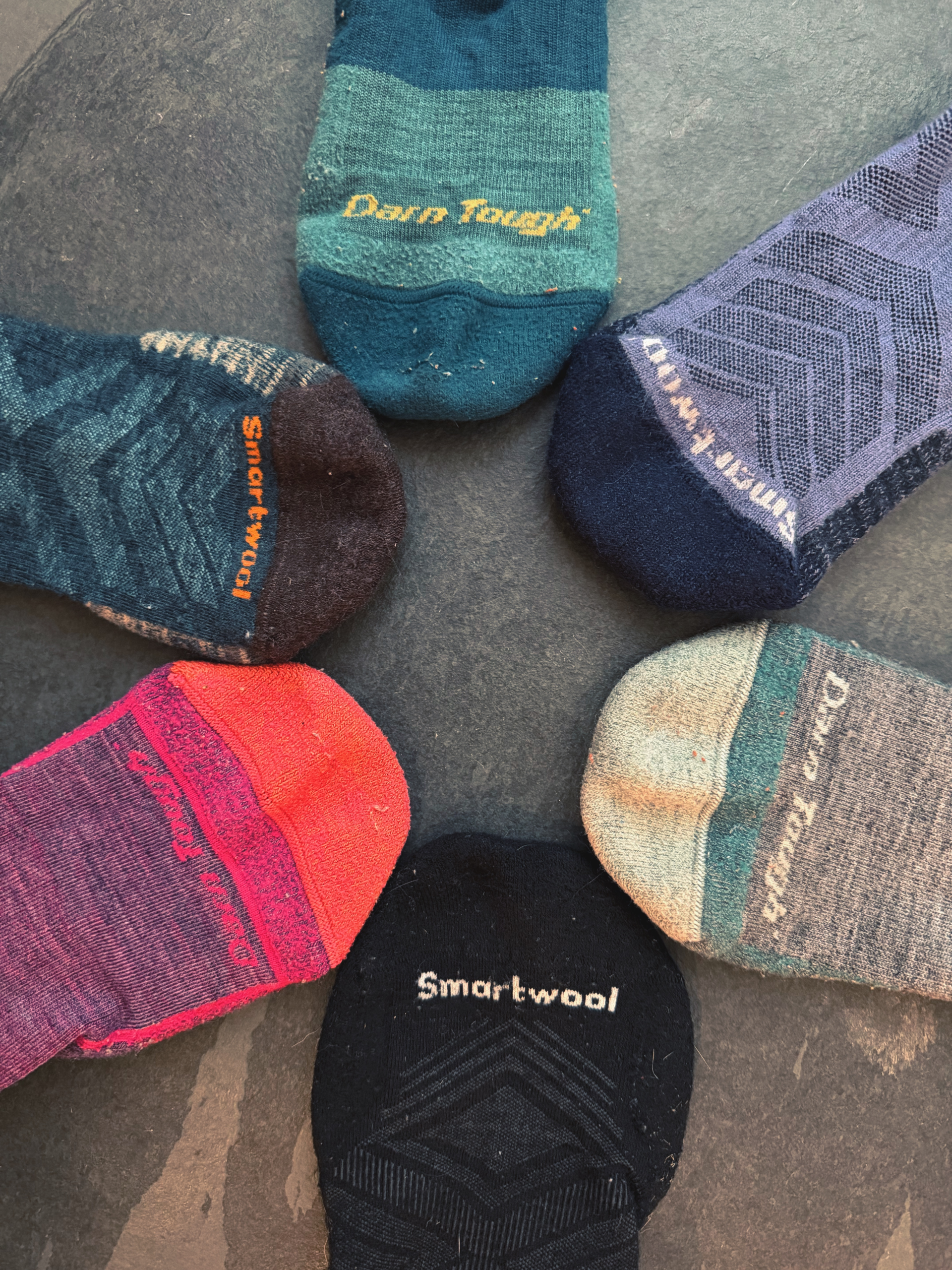
I skied for a couple of seasons before I finally invested in merino wool ski socks. Boy, did that make a difference. No more freezing toes or sweaty feet.
Ski socks extend over your calves, keeping seams and extra fabric out of your ski boots. This helps prevent uncomfortable pressure points and bunching. They’re also designed to stay in place throughout the day.
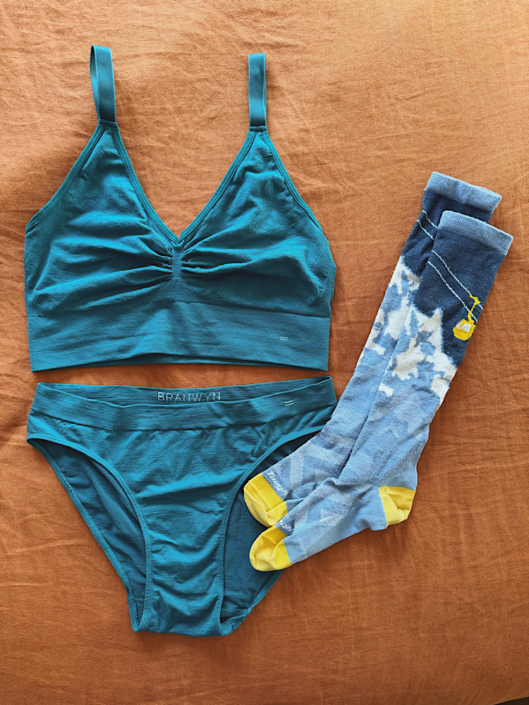
I personally wear the Darn Tough Lightweight Ski Socks with Cushion. My feet tend to run warm, so I prefer a lighter sock that provides cushioning without adding unnecessary bulk inside my ski boots.
If you prefer more cushioning, the Darn Tough Midweight Ski Socks with Cushion are another option. They have additional padding, including cushioning along the shin for comfort against your ski boots.
Emma’s Tip: Thicker ski socks aren’t necessarily warmer. Ski boots should fit snugly, and overly thick socks can restrict circulation and actually make your feet colder. Choose a pair that fits comfortably inside your boots rather than automatically reaching for the thickest option.
Moisture-Wicking Underwear
Most people don’t think much about the underwear they wear skiing. I certainly didn’t, until I realized the merino wool underwear I loved for hiking and backpacking was also perfect for skiing.
The first time I wore my BRANWYN merino wool underwear skiing, I noticed a real difference in comfort. My bottom stayed noticeably warmer on the chairlift, and my BRANWYN bra did a great job of wicking away moisture.
Ever since, I haven’t gone back to cotton or synthetic underwear for skiing. Merino wool keeps me warm, manages moisture, and stays fresher throughout the day. It’s a small change that made a surprisingly big difference in my ski outfit.
Mid Layers for Skiing
A mid layer adds extra insulation between your base layer and ski jacket. Depending on the temperature, I’ll wear either a fleece or an insulated jacket. On warmer days, I sometimes skip the mid layer altogether.
Fleece Jackets
For a lightweight fleece, I love my Melanzana hoodie. These are made in Colorado and are only available to purchase in person at their Leadville store by appointment. If you’re looking for something similar, the Mountain Hardwear Summit Grid Hoody has a comparable grid fleece design that’s great for layering. I haven’t personally tried this one, but it’s an alternative worth considering.
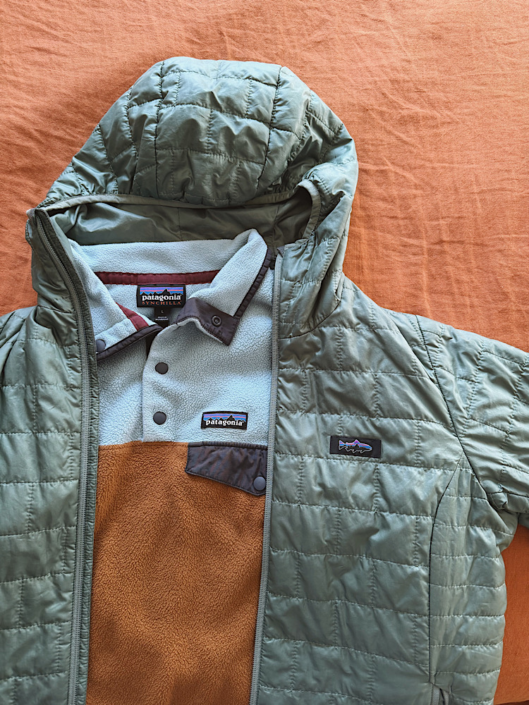
My go-to medium-weight fleece is the Patagonia Lightweight Synchilla Snap-T Pullover. I love that it doesn’t have a hood, which helps reduce bulk underneath my ski jacket. I’ve had one of my Synchillas for over 10 years, and it’s still going strong.
Fleece is a great option when you need a little extra warmth without adding too much insulation.
Insulated Mid Layers
When it’s cold, and I mean freeze-your-face-off-in-seconds cold, I’ll wear an insulated jacket underneath my already insulated ski jacket.
My go-to is the Patagonia Nano Puff Jacket. It provides an extra layer of warmth without being overly bulky, making it easy to wear underneath my outer jacket.
I generally prefer fleece for moderately cold days and save my Nano Puff for when temperatures really drop. Since I tend to get cold easily, having that extra insulation makes a huge difference, especially when sitting on a chairlift.
Emma’s Tip: Just make sure your ski jacket has enough room to accommodate an insulated mid layer. If your layers are too tight, they can restrict movement and compress the insulation, making them less effective at keeping you warm.
Choosing Ski Jackets and Pants
Insulated Ski Jackets vs. Shell Jackets
When choosing a ski jacket, one of the biggest decisions is whether to go with an insulated jacket or an uninsulated shell. Both can work well, but the right choice depends on how easily you get cold and how much flexibility you want with your layers.
Regardless of which style you choose, your outer layer needs to provide reliable protection against wind and snow. I recommend looking for a waterproof, windproof jacket designed for skiing.
Insulated Ski Jackets
I’ve always preferred insulated ski jackets because I tend to get cold easily. The built-in insulation helps retain warmth, especially during cold chairlift rides. The downside is that insulated jackets are less versatile when temperatures rise.
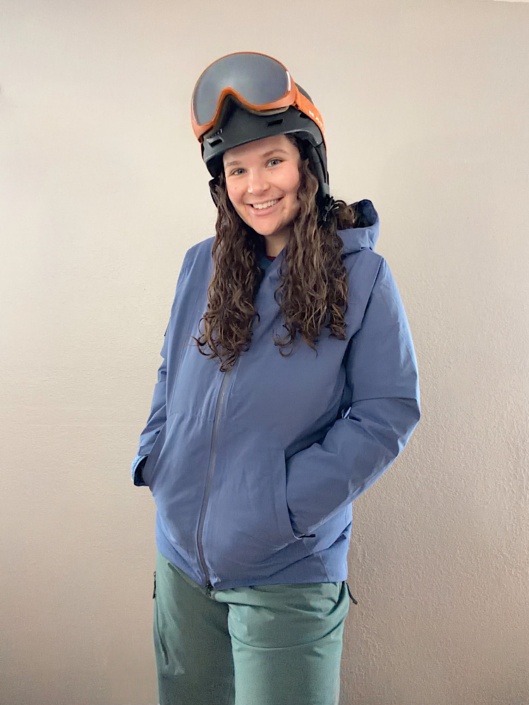
I currently wear the Outdoor Research Women’s Snowcrew Jacket, and I love it. Two of the biggest selling points for me were the pit zips and ski pass pocket on the sleeve.
My previous jacket didn’t have ventilation zippers, and being able to release heat without taking off a layer has been a huge improvement.
Uninsulated Ski Jackets (Shells)
My husband, on the other hand, has always worn a shell. He naturally runs warmer than I do and doesn’t need as much insulation to stay comfortable.
Shell jackets don’t have built-in insulation, so you control your warmth by adding or removing layers underneath. This makes them particularly versatile for skiing in different temperatures. However, you’ll need to make sure you have enough insulation underneath on colder days.
If you prefer an uninsulated shell, the Outdoor Research Women’s Carbide Jacket is a great option to consider. It’s specifically designed for skiing, with waterproof and windproof protection, pit zips, a powder skirt, and a convenient ski pass pocket on the sleeve. I haven’t personally tried this jacket, but it has many of the same practical features I love about my Snowcrew, just without the built-in insulation.
Emma’s Tip: Don’t overlook ventilation when shopping for a ski jacket. Even on cold days, you can work up a sweat while skiing. Pit zips make it much easier to regulate your temperature without constantly adding or removing layers.
Insulated vs. Uninsulated Ski Pants
Just like ski jackets, ski pants come in insulated and uninsulated options. Both protect against wind and snow, but the amount of warmth they provide can be very different.
I learned this the hard way. My first pair of ski pants were uninsulated, and my thighs and bum were always freezing. I ended up wearing thick fleece pants under my pant shell just to stay warm. It helped, but my fleece pants made my ski pants feel tight and bulky.
Eventually, I upgraded to insulated ski pants, and wow, what a difference. I could finally stay warm without my fleece pants.
Emma’s Tip: I’ve worn both ski bibs and regular ski pants, and I definitely prefer pants. Every time I needed to use the bathroom in my bibs, I had to take off my jacket just to get the shoulder straps down. Not exactly convenient when you’re bundled up in multiple layers!
Regular ski pants are much easier to deal with. That said, some bibs have drop-seat zippers that make bathroom breaks easier, so that’s a feature worth looking for if you prefer bibs.
Insulated Ski Pants
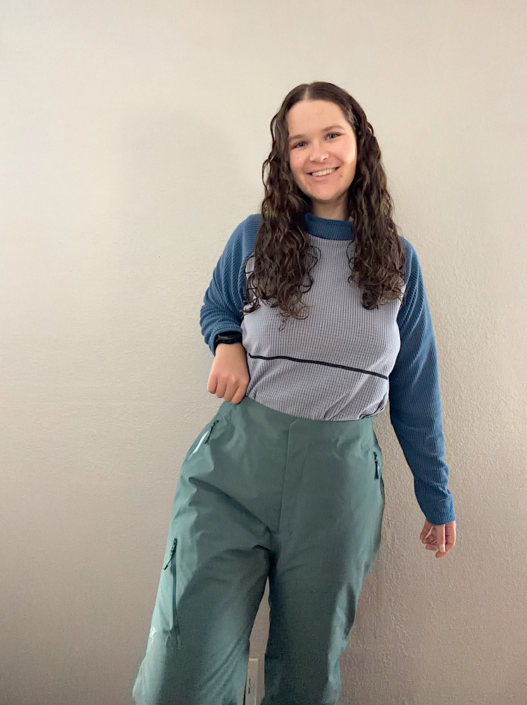
I currently wear the Arc’teryx Women’s Sentinel Insulated Pants, and they’ve been a huge upgrade. The built-in insulation keeps my legs much warmer, especially when sitting on cold chairlifts.
If you tend to get cold easily, I’d seriously consider insulated ski pants. They’re particularly nice for resort skiing, where you spend a lot of time sitting on lifts between runs.
Emma’s Tip: I’ll let you in on a little secret. I’ve found some incredible deals on Arc’teryx gear at their outlet stores, including my ski pants. They often carry previous seasons’ models and colors at steep discounts. I scored my brand-new Sentinel Insulated Pants for just $100 because they only had one pair left in that size and color.
Uninsulated Ski Pants (Shells)
Uninsulated ski pants provide protection against wind and snow without built-in insulation. They’re a versatile option if you run warm or prefer adjusting your layers based on the weather.
The biggest advantage is flexibility. You can wear lightweight merino wool leggings underneath on warmer days or add a thicker mid layer when temperatures drop.
Shells can be a great choice if you want one pair of ski pants for a wide range of conditions.
Regardless of which style you choose, look for waterproofing, ventilation zippers, a comfortable fit that allows you to move freely, and built-in boot gaiters to keep snow out.
Emma’s Tip: Pay attention to how your ski pants fit when sitting down, not just standing up. My old ski pants were too short for me, and the fabric would pull uncomfortably tight around my knees whenever I sat on the chairlift.
When I bought my new pants, I sized up to give myself more room through the legs while still getting enough length. Try sitting down and bending your knees when trying on ski pants to make sure they don’t restrict your movement.
Essential Ski Accessories
Once you’ve figured out your layers, there are a few essential accessories you’ll need to wear for skiing to stay comfortable on the slopes. These might seem like small details, but the right helmet, goggles, neck gaiter, and mittens can make a big difference.
Ski Helmet
A properly fitted ski helmet is essential. I recommend measuring your head circumference before shopping to make sure you get the right size. You don’t want your helmet sliding around or squeezing your head uncomfortably.
I love that my helmet has soft, fuzzy ear pads to keep my ears warm without needing an extra hat underneath. It also has adjustable vents on top, which are great for releasing heat on warmer ski days.
I recommend looking for a helmet with ventilation, comfortable ear pads, and a secure fit. The SMITH Descend MIPS Helmet is one option worth considering, with MIPS technology designed to help manage certain rotational forces during impacts.
Ski Goggles
Ski goggles protect your eyes from wind, snow, and glare while helping you see changing terrain and snow conditions.
Some goggles have interchangeable lenses, allowing you to switch between options designed for bright sunshine and flat, overcast conditions. Others have a single lens that works well across a range of lighting conditions.
It’s really a matter of personal preference. Just make sure your goggles fit comfortably with your helmet and provide good visibility in the conditions you typically ski.
Merino Wool Neck Gaiter or Buff
A merino wool neck gaiter is one of those accessories I wouldn’t want to ski without.
When the wind picks up, I pull mine over my nose and cheeks to protect my face from the freezing air. It also keeps the back of my neck covered so I don’t get that awful cold chill running down my spine.
I prefer merino wool because it’s soft, breathable, and helps manage moisture. It’s easy to pull up when you need extra protection and lower when you start getting warm.
Ski Mittens vs. Gloves
I prefer mittens over gloves because keeping my fingers together helps them stay warmer. You lose a little dexterity compared to gloves, but I think the extra warmth is worth it.
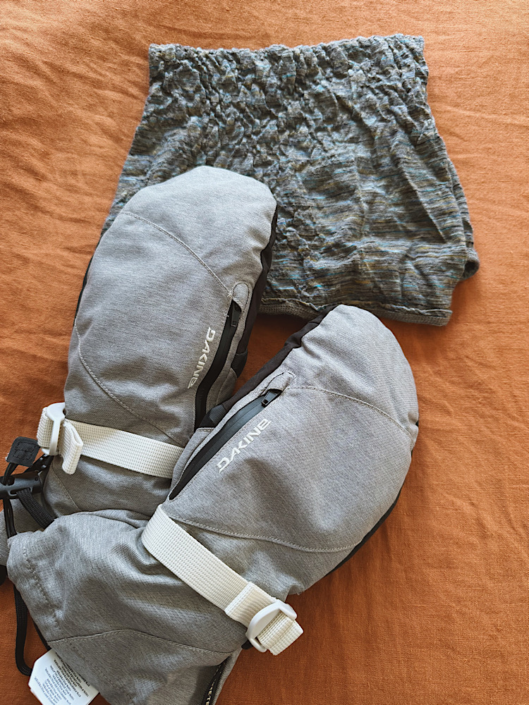
Funny enough, even though I tend to get cold easily, my hands usually stay pretty warm. I wear the Dakine Sequoia GORE-TEX Mittens, and they’ve been more than enough for me. They’re waterproof, insulated, and comfortable without being overly complicated.
My husband has the opposite problem. His hands were always freezing, so he upgraded to a pair of Hestra mittens and has been really happy with them.
If your hands tend to get cold, investing in a warmer, well-insulated pair of mittens can make a big difference. Regardless of whether you choose gloves or mittens, look for waterproof protection and enough room for your fingers to move comfortably.
What Not to Wear Skiing
Choosing the wrong clothing can leave you cold, sweaty, or uncomfortable on the slopes. Here are a few things I recommend avoiding:
- Cotton clothing: Cotton absorbs moisture and dries slowly, which can leave you feeling cold once you start sweating.
- Multiple pairs of socks: Doubling up on socks can make your ski boots too tight, restrict circulation, and actually make your feet colder.
- Bulky layers: Too many thick layers can restrict movement and make it difficult to regulate your temperature.
- Jeans or everyday pants: These typically don’t provide the waterproofing or wind protection you need for skiing.
- Non-waterproof outerwear: Even if your jacket is warm, it won’t do much good if it gets soaked from falling snow or wet chairlifts.
📌 Pin this image on Pinterest to save this post for reference.
What to Wear Skiing FAQs
What should a beginner wear skiing?
Beginners should start with moisture-wicking base layers, an insulating mid layer if needed, waterproof ski pants and a jacket, ski socks, gloves or mittens, a neck gaiter, goggles, and a helmet.
You don’t need expensive ski clothing when you’re first learning. Focus on staying warm, dry, and comfortable, and upgrade your gear as you figure out what works best for you.
Can you wear regular leggings under ski pants?
Yes! You can wear regular athletic leggings under ski pants, provided they’re moisture-wicking and comfortable. Avoid cotton leggings, which absorb sweat and can leave you feeling cold.
I personally prefer merino wool base layers because they regulate temperature and resist odors. Just make sure your leggings don’t bunch up inside your ski boots.
Can you wear a regular winter jacket skiing?
You can, but it depends on the jacket. A regular winter coat might be warm enough, but it may not provide the waterproofing, breathability, or freedom of movement you need for skiing.
Ski-specific jackets often include useful features like ventilation zippers, powder skirts, and ski pass pockets. If you’re skiing regularly, I think a dedicated ski jacket is worth considering.
Should ski clothes fit tight or loose?
Your base layers should fit close to your skin without restricting movement. Mid layers need enough room to trap warmth, while your ski jacket and pants should comfortably accommodate everything underneath.
Avoid overly tight outerwear. I learned this with my first pair of ski pants, which pulled uncomfortably around my knees every time I sat on a chairlift.
Do you need expensive ski clothes?
Absolutely not! I skied for a couple of seasons before investing in higher-quality clothing.
The most important things are staying dry, having enough insulation, and being able to move comfortably. As you gain experience, you’ll figure out which upgrades are worth spending more money on.
Do I need special socks for skiing?
Yes! I highly recommend wearing ski-specific socks rather than regular athletic or hiking socks. Ski socks extend over your calves, stay in place inside your boots, and provide cushioning in areas where ski boots can create pressure.
I prefer lightweight merino wool ski socks because they keep my feet comfortable without adding unnecessary bulk. Avoid wearing multiple pairs of socks or choosing overly thick socks, as tight ski boots can restrict circulation and actually make your feet colder.