Ski Trip Packing List: Everything You Need for a Ski Vacation
Your ski trip packing list requires a lot more than throwing a winter coat and a few sweaters into a suitcase. Between your ski gear, layers, clothes for town, toiletries, and all the little things you need on the mountain, there’s a lot to remember.
I’ve taken multiple multi-day ski trips around Colorado, and this ski trip packing list is based on what I actually bring with me. I’ll cover everything you need for skiing, what to wear when you’re off the mountain, and a few easily forgotten items that can make a big difference.
Disclosure: This post may contain affiliate links. If you purchase through these links, I may earn a small commission at no extra cost to you. I only recommend products I’ve personally used, tested, and genuinely love. Thank you for supporting Emma Gets Outside!
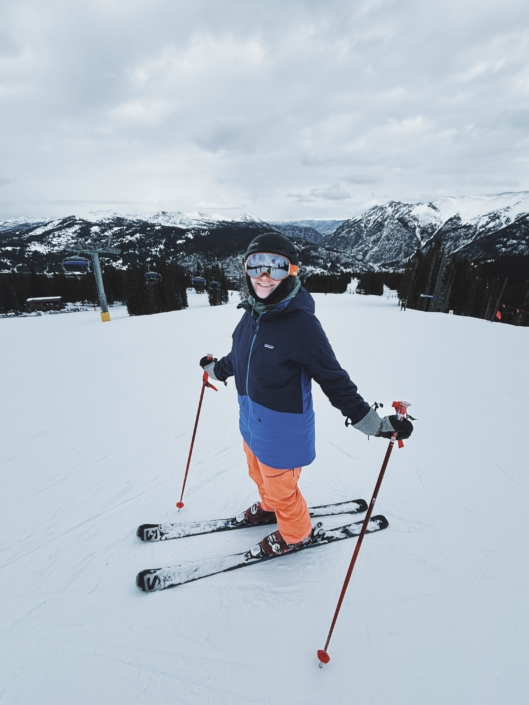
Complete Ski Trip Packing List
If you just want a checklist you can reference while packing, start here. I go into more detail about what I bring and why throughout the rest of this guide.
Ski Gear
- Skis
- Ski boots
- Poles
- Helmet
- Goggles
- Extra goggle lens, if you use interchangeable lenses
- Ski pass
- Boot bag
Clothes for Skiing
- Ski jacket
- Ski pants
- Merino or synthetic base layer tops
- Merino or synthetic base layer bottoms
- Mid-layer fleece or insulated jacket
- Ski socks
- Waterproof gloves or mittens
- Buff or neck gaiter
- Sports bra and underwear
On-Mountain Essentials
- Sunscreen
- SPF lip balm
- Water bottle
- Electrolytes
- Snacks
- Tissues
- Hand warmers
- Phone
- Gogglesoc or other goggle cover
- Small backpack, optional
Clothes for Après Ski and Around Town
- Warm winter coat
- Sweaters or fleeces
- Jeans or other casual pants
- Warm socks
- Waterproof winter boots
- Beanie
- Gloves or mittens
- Pajamas and comfortable clothes
- Underwear and bras
- Swimsuit
- Casual or nicer outfit for dinner, if needed
Toiletries
- Toothbrush and toothpaste
- Deodorant
- Shampoo and conditioner
- Hairbrush or comb
- Hair ties
- Moisturizer
- Hand cream
- Sunscreen
- SPF lip balm
- Medications
- Contacts, solution, or glasses
- Any other everyday toiletries
Other Travel Essentials
- Phone charger
- Wallet
- ID
- Reservation information
- Headphones
- Book or entertainment for downtime

Ski Gear to Pack
Your ski equipment is probably the most important part of your ski trip packing list because forgetting something can derail an entire ski day.
Ask my husband how we know.
We once drove all the way up to our local ski resort, only for him to realize when we arrived that he had forgotten his ski boots. There wasn’t much we could do other than turn around and drive home without skiing a single run.
Now, we double-check the big items before leaving:
- Skis
- Boots
- Poles
- Helmet
- Goggles
- Ski pass
If you own your equipment, I highly recommend getting a ski boot bag. During ski season, I keep my ski jacket, pants, socks, helmet, gloves, boots, and other essentials together in the bag. It makes getting ready for a ski day or longer trip much easier because I’m not rebuilding my entire ski setup every time.
I prefer a backpack-style boot bag because it’s easy to carry while keeping my hands free.
Don’t Forget Your Ski Pass
If you have a physical ski pass, put it somewhere you won’t forget it before leaving home.
I keep mine in the breast pocket of my ski jacket all season. That way, I don’t have to remember to pack it for every ski day, and the resort scanner can usually read it right through my jacket.
Just avoid keeping your pass directly next to your phone or credit cards if your resort recommends separating them.
If you’re new to the sport, you can also read my guide to learning to ski as an adult for the beginner mistakes I’d avoid.

What to Wear For Skiing
You don’t need to pile on as many clothes as possible to stay warm while skiing. A good layering system keeps you warm while letting you adjust as the temperature and your activity level change.
My basic ski layering system is:
Base layer → mid layer → waterproof outer layer
Base Layers
Start with a moisture-wicking base layer against your skin.
I prefer merino wool because it regulates temperature, handles sweat well, and can usually be worn more than once before it starts smelling. That’s particularly useful on a multi-day ski trip when I don’t want to pack a completely different outfit for every day.
I pack:
- Merino base layer top
- Merino base layer bottoms
- Merino underwear
- Merino or moisture-wicking bra
Emma’s Tip: One of my favorite ski upgrades has been switching to merino underwear. My bum used to get so cold sitting on the chairlift, even when the rest of me felt warm. Now I wear my Branwyn merino underwear and bra as part of my base layers, and the extra warmth makes a noticeable difference on cold ski days.
Avoid cotton as your base layer. Once cotton gets damp from sweat, it holds onto that moisture and can leave you feeling cold.
➡️ Read Next: If you want to know more about why I wear merino wool for skiing and other outdoor activities, I go deeper into base layers, warmth, moisture management, and what I actually wear in my merino wool hiking clothes guide.
Mid Layers
Your mid layer provides insulation between your base layer and ski jacket.
What I wear depends on the weather. On warmer days, a fleece might be enough. When temperatures drop, I prefer a lightweight insulated jacket.
One of my favorite mid layers is my Patagonia Nano Puff. It’s warm without being overly bulky underneath a ski jacket, and I use it for plenty of other outdoor activities too.
The important thing is that your layers still allow you to move comfortably. More insulation isn’t always better if your ski jacket becomes so tight that you can barely move your arms.
Ski Jacket and Pants
Your outer layers protect you from snow, wind, and moisture.
Pack:
- Waterproof ski jacket
- Waterproof ski pants
Your jacket can be insulated or a shell depending on your preference and layering system. Either way, I prioritize weather protection and use my base and mid layers to adjust warmth.
This is especially helpful in Colorado, where a sunny afternoon can feel completely different from a cold morning or windy chairlift ride.
Ski Socks
Bring ski-specific socks that come up your calf. Short socks can pinch when they’re stuffed into your boot.
I prefer merino wool ski socks because they’re warm, moisture-wicking, and don’t get smelly as quickly as cotton.
More socks also don’t necessarily mean warmer feet. Ski boots already fit closely, and stuffing extra layers inside can make them uncomfortable.
Gloves, Mittens, and a Buff
You’ll also want:
- Waterproof gloves or mittens
- Buff or neck gaiter
- Hand warmers for particularly cold days
I prefer mittens when it’s really cold because keeping my fingers together helps them stay warmer.
A merino Buff is another small item I almost always carry. It protects my neck and lower face from cold wind and is easy to pull down when I don’t need it.

What I Carry While Skiing
I try not to carry a ton of stuff while skiing. I want enough for a full day on the mountain without loading myself down with things I won’t actually use.
Water
One of my favorite ski-day discoveries has been a flexible water bottle.
Instead of carrying a bulky hard-sided bottle, I can stuff the flexible bottle into my ski jacket and drink from it while riding the lift. As I drink, it takes up less space.
It’s easy to forget about hydration when you’re outside in the cold, but you’re still exercising and sweating all day.
Electrolytes
I also bring electrolytes, especially for long ski days.
I like small electrolyte chews or tablets because they’re easy to keep in a pocket and don’t require me to mix another drink. They’re particularly convenient when I don’t want to stop skiing just to go inside.
Snacks
I almost always keep at least one easy snack with me.
A granola bar, chews, or another compact snack can hold me over until lunch and gives me more flexibility about when I stop.
Ski lodges can get extremely crowded around noon, so I prefer eating lunch a little earlier or later when possible rather than joining the biggest rush of the day.
Small Extras I Actually Use
A few other little things regularly make it into my pockets:
- Travel-size tissues
- SPF lip balm
- Sunscreen
- Hand warmers
- Phone
- Gogglesoc
A Gogglesoc is basically a soft cover that stretches over your goggle lens. I use mine when I take my helmet off inside so the lens doesn’t get scratched, and it can double as a lens wipe.
Do You Need a Backpack for Skiing?
Not necessarily.
I prefer keeping things in my jacket pockets when I can, but a small backpack is useful if you want to carry more water, snacks, or extra layers.
I have an Osprey Raven 10, which gives me enough room for essentials without feeling like I’m skiing with a giant pack. It also has a hydration reservoir.
For a typical resort day, though, don’t feel obligated to carry a backpack.
What to Pack for Après Ski and Evenings
You’ll probably spend most of the day in ski clothes, so you don’t need an enormous second wardrobe for a ski vacation.
I prioritize warm, comfortable clothes that I can wear around town, out to dinner, or while relaxing after skiing.
Depending on the trip, I’ll pack some combination of:
- Sweater or fleece
- Jeans or other casual pants
- Warm winter coat
- Waterproof winter boots
- Thick wool socks
- Beanie
- Gloves
- Pajamas or sweatpants
- Casual outfit for dinner
- Swimsuit
A swimsuit is one of those things that’s surprisingly easy to forget on a winter vacation. I always bring one if there’s a hot tub or hot spring anywhere in the plans.
For footwear, prioritize something warm with good traction. Ski towns can mean walking through snow, slush, and icy parking lots, so this isn’t the trip where I want my everyday sneakers to be my only option.
Toiletries for a Ski Trip
Most of your toiletries will be the same things you’d bring on any vacation, so there’s no need to overcomplicate this section.
You can use my travel toiletries packing list if you want a complete checklist.
However, I pay extra attention to a few things on ski trips.
Sunscreen and SPF Lip Balm
Don’t skip sunscreen because it’s winter.
You’re spending hours outside at high elevation, and snow can reflect sunlight back toward you. I put sunscreen on exposed skin before heading out and keep SPF lip balm easily accessible.
Moisturizer and Hand Cream
Cold air, wind, and dry indoor heat can be brutal on my skin during ski trips.
I pack a heavier moisturizer than I might for some other vacations, along with hand cream. O’Keeffe’s Working Hands is one of my favorites when my hands get particularly dry.
And one extremely unglamorous ski-trip tip: trim your toenails before your trip. Your toes will thank you after spending several days crammed into ski boots.
How Many Clothes Do You Need for a Multi-Day Ski Trip?
You don’t need an entirely new ski outfit for each day of your trip.
This is one of the reasons I love merino wool for skiing. I can rewear certain layers instead of packing a suitcase full of nearly identical ski clothes.
For a typical multi-day ski vacation, I’d rather bring a smaller number of quality layers that I can rotate than one complete set for every day.
Your exact quantities will depend on how long you’re traveling and whether you’ll have access to laundry, but think about what actually gets dirty.
Your ski jacket, ski pants, and mid layer can usually be worn repeatedly. Base layers and socks are the pieces you’ll want to rotate more frequently.
I also don’t pack a different après-ski outfit for every night unless the trip specifically includes nicer dinners or events. A couple of sweaters or fleeces and a pair of casual pants can go a long way.
Things People Forget on Ski Trips
The big equipment is obvious, but some of the smaller things are surprisingly easy to leave behind.
Before leaving home, I’d give these a final check:
- Ski boots: Yes, I’m putting these first because we’ve actually driven to the mountain without them.
- Ski pass: Keep it in your jacket if you can.
- Goggles: And your second lens if you use interchangeable lenses.
- Sunscreen: Winter doesn’t mean you’re protected from the sun.
- SPF lip balm: Your lips take a beating from sun, wind, and cold.
- Swimsuit: Especially if your hotel or rental has a hot tub.
- Phone charger: Easy to overlook and annoying to replace.
- Medications: Particularly anything you can’t easily buy once you arrive.
- Winter boots: You don’t want ski boots to be your only snow-friendly footwear.
- Hand warmers: Tiny, easy to pack, and wonderful when you need them.
My Tips for Your Ski Trip Packing List
After enough ski days and multi-day trips, I’ve found that the easiest packing system is one that requires me to remember as little as possible.
Keep your ski gear together during ski season. My boot bag holds most of my core gear so I’m not hunting around the house every time we leave.
Keep your ski pass in your jacket. Mine stays in the same pocket throughout ski season.
Don’t pack a ski outfit for every day. I rewear outerwear and rotate moisture-wicking base layers and ski socks.
Pack for the time you’re actually spending off the mountain. If I’m skiing all day and relaxing at night, I don’t need five elaborate après-ski outfits.
Do one final gear check before driving away. Physically confirm that the skis, boots, poles, helmets, and goggles made it into the vehicle. Don’t rely on remembering that you thought you packed them.

📌 Pin this image on Pinterest to save this post for reference.
Ski Trip Packing List FAQs
What should I pack for my first ski trip?
For your first ski trip, you’ll need ski equipment, a helmet and goggles, moisture-wicking base layers, an insulating mid layer, waterproof ski jacket and pants, ski socks, waterproof gloves or mittens, and a neck gaiter. You’ll also need warm clothes and winter boots for time off the mountain.
If you’re renting skis, boots, and poles, confirm exactly what your rental includes before your trip so you know what you still need to bring.
How many layers should I wear skiing?
A three-layer system works well for most ski days: a moisture-wicking base layer, an insulating mid layer, and a waterproof outer layer. You can adjust the warmth of your mid layer based on the temperature and conditions.
Should I bring skis or rent them?
If you already own skis and you’re driving, bringing your own equipment is an easy choice. Renting can make sense if you don’t own gear or don’t want to transport bulky equipment.
I’ve always driven on my ski trips, so I can’t give firsthand advice about flying with skis. If you’re flying, check your airline’s current ski-equipment baggage rules before deciding whether bringing your own skis or renting at your destination makes more sense.
What should I pack for a 3-day ski trip?
For a three-day ski trip, you can rewear your ski jacket, pants, and mid layer while rotating base layers and ski socks. You’ll also need your ski equipment, on-mountain essentials, toiletries, winter boots, casual clothes for evenings, and a warm coat for walking around town.
What should I wear when I’m not skiing?
Pack warm, comfortable clothes you can layer, along with a winter coat and waterproof boots. Sweaters, fleeces, jeans or casual pants, wool socks, a beanie, and gloves cover most of my après-ski needs.