Best Things to Do in Moab, Utah (From a Frequent Visitor)
There are so many things to do in Moab, Utah, that I could write an entire book. But most people don’t have time to read that, so I’ve narrowed it down to my favorite experiences and the highlights worth planning a trip around.
Moab is best known as the gateway to Arches National Park, but there’s so much more to explore beyond its famous red rock arches. From scenic drives and dinosaur tracks to rafting the Colorado River and exploring downtown, you don’t even have to be a hiker to fall in love with this place.
I’ve spent years hiking, camping, and exploring the area. Living just 1.5 hours away in Grand Junction, Colorado, means I get to visit often, and I’m still finding new places to explore.
In this guide, I’m sharing the best things to do in Moab, including some lesser-known favorites, plus practical tips to help you plan your trip.
Disclosure: This post may contain affiliate links. If you purchase through these links, I may earn a small commission at no extra cost to you. I only recommend products I genuinely believe are worth considering. Thank you for supporting Emma Gets Outside!
Explore Things to Do in Moab
Whether you’re here for hiking, sightseeing, or outdoor adventures, start with whatever interests you most! Use the links below to jump straight to each section.
- National and State Parks – Arches, Canyonlands, Dead Horse Point, and Utahraptor State Park
- Hiking Near Moab – My favorite trails outside the national parks
- Outdoor Adventures – Rafting, mountain biking, off-roading, and canyoneering
- Scenic Drives – Incredible red rock views without the hiking
- Dinosaurs and Local History – Fossils, petroglyphs, and museums
- Downtown Moab – Local shops, coffee spots, and restaurants
- Planning Your Trip – When to visit, where to stay, and getting around
Explore Moab’s National and State Parks
Please note: Dogs are not permitted on hiking trails in Arches or Canyonlands National Parks, but plenty of dog-friendly hikes exist on the surrounding public lands.
Arches National Park
Arches National Park is one of the biggest reasons people visit Moab. From the iconic Delicate Arch to hikes like Devils Garden, Double Arch, and Fiery Furnace, there’s plenty to explore.
It’s also one of my favorite recommendations for visitors who prefer sightseeing over hiking. The scenic drive has numerous viewpoints and short walks, so you can see quite a bit of the park in just a few hours.
Emma’s Tip: Arches gets busy, but quieter trails are there if you know where to look. I’ve included some of my favorite lesser-traveled hikes in my Arches guide.
➡️ Read my complete guide to hiking in Arches National Park, with trails for every experience level.
Canyonlands National Park
Canyonlands is divided into three districts, each offering a completely different experience.
Island in the Sky is closest to Moab and is my top recommendation for sweeping canyon views. Don’t miss Mesa Arch and Green River Overlook.
The Needles District is about 1.5 hours from Moab. I’ve done it as a day trip before, and while it made for a long day, it was absolutely doable. Chesler Park and Druid Arch are two incredible hikes worth considering.
The Maze District is a different adventure altogether. I recommend treating it as a separate trip and camping in the area rather than attempting to visit from Moab in a day. If you’re interested in exploring this remote region, check out my guides to the Maze District, Horseshoe Canyon, and Colonnade Arch.
➡️ Only have time for one national park? Read my Arches vs. Canyonlands National Park comparison guide to help you decide.
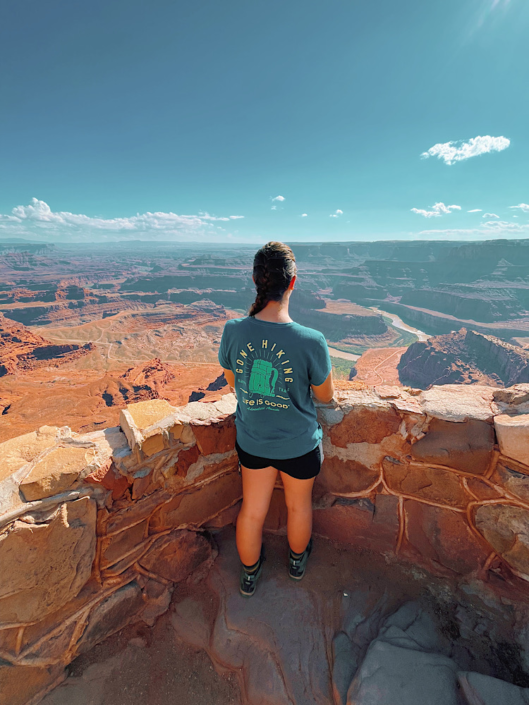
Viewpoint at Dead Horse Point
Dead Horse Point State Park
I’ve heard Dead Horse Point described as a miniature Grand Canyon, and it’s easy to see why. The park offers incredible views over the Colorado River and surrounding canyons without requiring a strenuous hike.
Since it’s a state park, there’s a separate entrance fee that isn’t covered by the America the Beautiful Pass.
Personally, I’d combine Dead Horse Point with a visit to Island in the Sky rather than making a separate drive from Moab. They’re close enough that visiting both in one day makes sense.
Utahraptor State Park
Opened in 2025, Utahraptor State Park is one of Moab’s newest attractions. Located about 15 miles northwest of town, the park protects an important dinosaur fossil site and offers exhibits about the area’s prehistoric and human history.
Visitors can explore the visitor center, walk interpretive trails, or venture farther into the park to hike, mountain bike, or go off-roading.
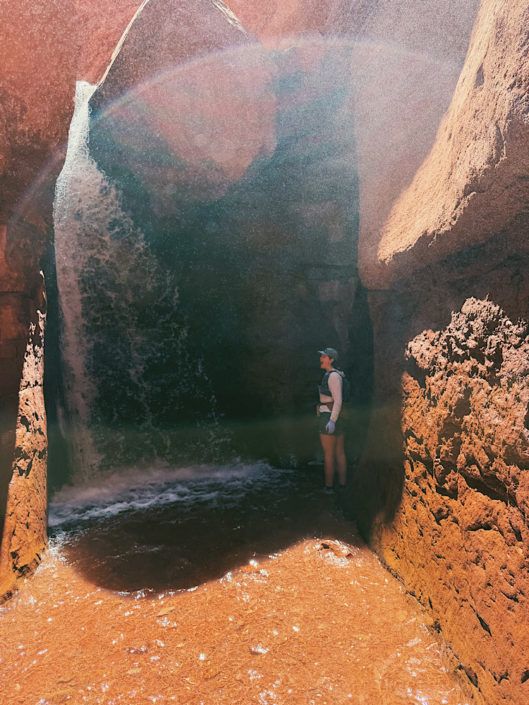
Mary Jane Canyon seasonal waterfall
Go Hiking Outside the National Parks
Some of my favorite hikes near Moab are actually outside the national parks. All four of these trails allow dogs, making them great options if you’re traveling with your furry friend. Be prepared for desert conditions and bring plenty of water.
Mary Jane Canyon
Mary Jane Canyon is one of Moab’s most underrated hikes. I’d been visiting the area for years before finally exploring this trail, and I wish I’d gone sooner. Following a creek between towering canyon walls reminded me of a smaller version of Zion’s Narrows, but with a fraction of the crowds.
Fisher Towers
Fisher Towers has some of the most unusual rock formations around Moab. The towering sandstone spires are popular with rock climbers, and I’ve watched them scaling the cliffs while hiking below. The scenery alone makes the drive from town worth it.
Grandstaff Canyon
Grandstaff Canyon is my pick for a family-friendly hike near Moab. The trail follows a creek with several shallow crossings and minimal scrambling before reaching the impressive Morning Glory Natural Bridge. It’s a fun option for families looking for something more adventurous than a paved trail.
Corona Arch
Corona Arch is one of the most impressive natural arches outside Arches National Park. The hike includes slickrock, a short ladder, and some scrambling before reaching the massive freestanding arch. It’s a great choice if you want to see an incredible arch without entering the national park.
➡️ Looking for more trails? Check out my complete guide to the best hikes near Moab, including trail details and more of my personal favorites.
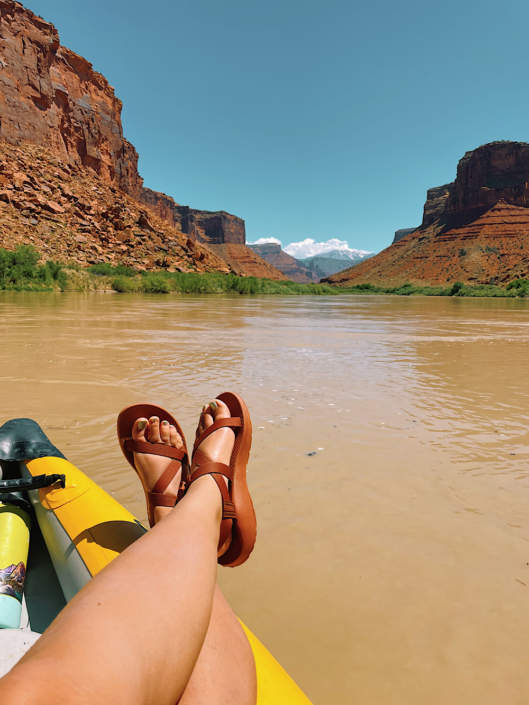
Fisher Towers visible on the Colorado River
Experience Moab’s Outdoor Adventures
Raft or Kayak the Colorado River
I’ve rented duckies (inflatable kayaks) for the day and gone on an overnight rafting trip on this stretch of the Colorado River. It’s one of my favorite hot-weather activities in Moab, and the scenery from the water is 10/10.
You can choose between a relaxing float and a more adventurous whitewater trip, depending on the river section and conditions. Either way, it offers an entirely different perspective on Moab’s red rock landscape.
Don’t worry if you don’t have experience on the water. Book a guided half-day rafting trip and let someone else handle the logistics.
Go Mountain Biking
Moab is one of the country’s most famous mountain biking destinations, with trails ranging from beginner-friendly rides to challenging technical routes.
The Slickrock Bike Trail is particularly famous for its steep sandstone terrain, but it’s best suited to experienced riders. If you’re new to mountain biking, consider renting a bike and starting on an easier trail.
My husband has used Chile Pepper Bike Shop for repairs, and they also offer rentals if you don’t have your own bike.
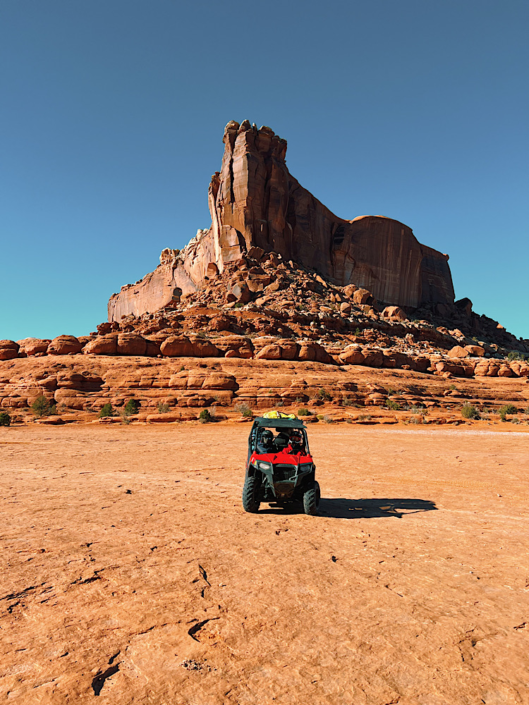
ATV-ing on the Monitor and Merrimac Trail
Take a Jeep or UTV Tour
Moab’s rugged slickrock terrain makes it a popular off-roading destination. You’ll find everything from scenic backcountry drives to steep climbs that require technical driving skills.
Hell’s Revenge is one of the area’s most famous off-road routes, with guided UTV tours that allow you to drive your own vehicle while following an experienced guide. It’s a great option if you want an adrenaline-filled adventure without navigating the trails alone.
If you’d rather explore independently, you can rent off-road vehicles from Moab Tour Company. My family has rented from them before and had a good experience.
I’ve also driven the Monitor and Merrimac Trail several times. I’d recommend it to someone who wants an off-roading adventure without tackling the extreme obstacles found on some of Moab’s more technical trails.
Try Rock Climbing or Canyoneering
Moab’s sandstone cliffs and narrow canyons offer plenty of opportunities for climbing and canyoneering.
Rock climbing involves scaling rock faces, while canyoneering can include rappelling, scrambling, and navigating narrow passages. Both activities can be technical, but guided beginner experiences are available if you want to try something new.
You can even rappel Morning Glory Natural Bridge in Grandstaff Canyon! I’ve hiked to the natural bridge a few times, but rappelling there sounds like an awesome adventure.
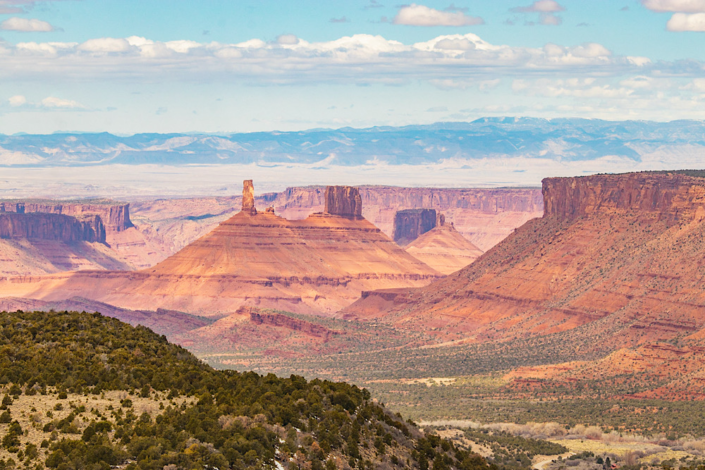
Castle Valley Overlook
Take a Scenic Drive
You don’t have to hit the trails to experience Moab’s incredible scenery. These three drives are great ways to explore the area, whether you’re looking for a relaxing afternoon or a more adventurous route.
La Sal Mountain Loop Road
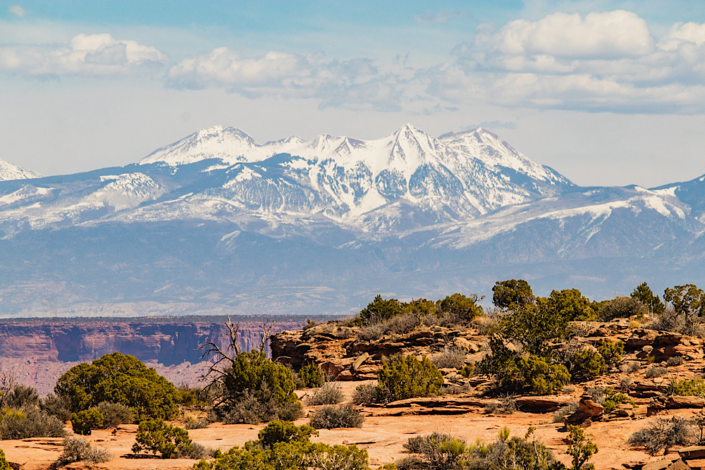
For a change of scenery, take a drive into the La Sal Mountains. This scenic loop climbs from the red rock desert into forests and mountain landscapes, with incredible views along the way.
My favorite stop is the overlook above Castle Valley, where you can look down at Castleton Tower and the surrounding red rock formations.
The La Sals are especially beautiful in the fall when the aspens turn golden. The higher elevations also offer a welcome escape from Moab’s summer heat, although snow and seasonal road conditions can affect access.
Highway 128
Highway 128 follows the Colorado River beneath towering sandstone cliffs and is easily one of the most scenic drives near Moab.
There are plenty of places to stop and admire the river, and you’ll also pass the turnoff for Fisher Towers. I recommend this drive even if you don’t plan to hike. The scenery is worth it on its own.
My favorite viewpoint is north of Fisher Towers, where you can look down the canyon and see the river, sandstone towers, and La Sal Mountains all framed together. It’s magnificent.
Potash Road (Highway 279)
Potash Road is another beautiful drive along the Colorado River, with massive sandstone cliffs rising above the road.
Along the way, you can stop to see ancient petroglyphs, dinosaur tracks, or hike to Corona Arch. It’s a great option if you want to combine a scenic drive with a few shorter activities.
For a more adventurous drive, continue beyond the pavement toward the Shafer Trail and its famous switchbacks leading up to Canyonlands National Park. I’ve driven this route and think the scenery is fantastic, but it’s not suitable for every vehicle or driver.
The unpaved sections require an appropriate high-clearance 4WD vehicle and experience navigating rough roads. The switchbacks are particularly narrow, so check current conditions before attempting the drive.
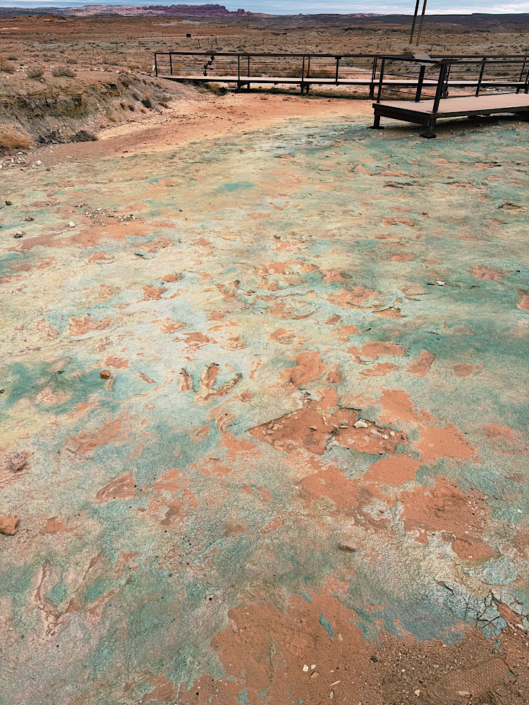
Mill Canyon Dinosaur Tracks
Discover Dinosaurs, Petroglyphs, and Local History
Moab has a fascinating history that goes far beyond its red rock landscapes. From dinosaur footprints to ancient rock art, there are plenty of interesting stops to explore between outdoor adventures.
Mill Canyon Dinosaur Tracks and Bone Trail: Just north of Moab, you can visit two different sites to see evidence of prehistoric dinosaurs. The Mill Canyon Dinosaur Tracksite has a short trail with boardwalks and interpretive signs highlighting fossilized footprints. It’s an easy, family-friendly stop.
Nearby, the Mill Canyon Dinosaur Bone Trail offers something completely different. You can actually see fossilized dinosaur bones still partially embedded in the rock! I think it’s incredible to see bones where they were preserved rather than cleaned up and displayed in a museum. Both sites are free to visit.
Moab Giants Dinosaur Park: If you’re visiting with kids, Moab Giants is another option. This dinosaur park features life-size dinosaur models, educational exhibits, and interactive experiences.
Petroglyphs and Newspaper Rock: You can see ancient Indigenous rock art along Potash Road, including several panels right beside the highway.
If you’re heading toward the Needles District of Canyonlands, don’t miss Newspaper Rock. I’ve stopped here several times and still think it’s incredible. The massive rock face is covered in hundreds of petroglyphs created by different Indigenous cultures over centuries.
Newspaper Rock is about an hour south of Moab, so I recommend combining it with a trip to the Needles rather than driving out just for this stop. It’s free to visit and only a short walk from the parking lot.
Moab Museum: Located downtown, the Moab Museum explores the area’s Indigenous heritage, mining history, and local communities. It’s a good indoor option if you want a break from the heat or learn more about the region’s history.

Pasta Jay’s Green Chile Ravioli
Explore Downtown Moab
After a long day of hiking or exploring the national parks, I love spending some time wandering downtown Moab. Plenty of locally owned shops, coffee spots, and restaurants are worth checking out.
Local Shops: My three must-visit stores are Back of Beyond Books, Moab Made, and Gearheads Outdoor Store.
Moab Made features work from local artists, with something for nearly every budget. You’ll find everything from postcards and jewelry to pottery and original paintings. Back of Beyond Books is another favorite. I love browsing the adventure novels and environmental books that feel tailored to the area, alongside plenty of popular new releases.
And if you need outdoor gear (or just enjoy browsing it), Gearheads is worth a stop. They even offer free filtered water refills!
Coffee Shops: My go-to spots are Moab Coffee Roasters and Moab Garage Co. Both are great places to grab a coffee before heading out for the day. If you’re craving something sweet, stop by Doughbird for fresh donuts and coffee.
Restaurants: After a day of adventuring, my favorite places to eat are Pasta Jay’s, Moab Diner, and Thai Bella. From Italian comfort food to classic diner meals to flavorful Thai dishes, there’s something for everyone, including plenty of vegetarian options.
Try the green chile ravioli at Pasta Jay’s and thank me later! And if you’re craving something sweet afterward, swing by Milt’s Stop & Eat for one of their delicious malts.
Planning Your Trip to Moab
Best Time to Visit Moab
Spring and fall are the most popular times to visit Moab, thanks to comfortable temperatures for hiking and other outdoor activities. Spring is particularly beautiful when wildflowers like globemallows and Indian paintbrush add splashes of color to the desert.
Personally, I also love hiking in Moab during winter. The trails are much quieter, and the cooler temperatures make longer hikes more enjoyable. Just be cognizant of shorter days and occasional snow or ice. Use my tips for cold weather hiking post to prepare.
Summer can be brutally hot, but you can still enjoy Moab. Start your hikes early in the morning or choose shaded trails with water, like Mary Jane Canyon. Even creekside hikes can get hot, so plan accordingly.
How to Get to Moab
If you’re flying, I recommend looking at flights into Grand Junction Regional Airport (GJT) rather than Salt Lake City. Grand Junction is only about a 1.5-hour drive from Moab, compared to roughly four hours from Salt Lake City.
The drive from Grand Junction is straightforward and doesn’t require crossing any major mountain passes, making it a convenient option year-round.
Moab also has a small regional airport, Canyonlands Field (CNY), but flight options are more limited.
How Many Days Do You Need in Moab?
This really depends on what you want to do! I could easily spend three days just hiking in Arches National Park, so there’s no single perfect amount of time.
- 2 days: Visit Arches and Island in the Sky for the major highlights.
- 3–4 days: Add hikes outside the national parks, scenic drives, or a rafting or off-roading adventure.
- 5–7 days: Explore the Needles District, tackle longer hikes, and venture into less-visited areas.
For a first visit, I’d recommend at least three or four days. That gives you time to explore without feeling like you’re constantly rushing between attractions.
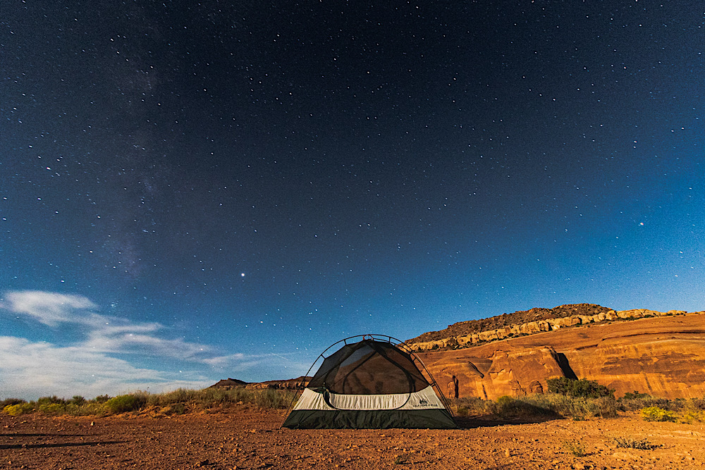
Full moon camping in Moab
Where to Stay in Moab
Moab has plenty of hotels, vacation rentals, and campgrounds, so there’s something for nearly every travel style.
I’ve stayed at Slackline Moab (formerly Field Station), which I liked as a comfortable, straightforward hotel option. Staying downtown or nearby makes it easy to get to restaurants, coffee shops, and start your adventures early.
Camping around Moab is excellent, too. Numerous BLM campgrounds line the Colorado River and surrounding public lands, and campgrounds inside Arches and Canyonlands are also available. Popular sites can fill quickly, especially during spring and fall.
If you’d rather stay in a hotel, you can compare accommodations and prices on Booking.com.
Getting Around Moab
Having your own vehicle is the easiest way to explore Moab. Most major attractions, including Arches, Island in the Sky, and popular trailheads, are accessible with a regular passenger car.
A high-clearance 4WD vehicle opens up more opportunities to explore remote areas, but it’s not necessary for an incredible trip.
I also highly recommend downloading offline maps before heading out. Cell service is unreliable in canyons and the backcountry, so I use AllTrails Plus to download hiking routes and navigate when I don’t have service. It’s especially helpful on less-traveled trails where navigation isn’t always obvious.
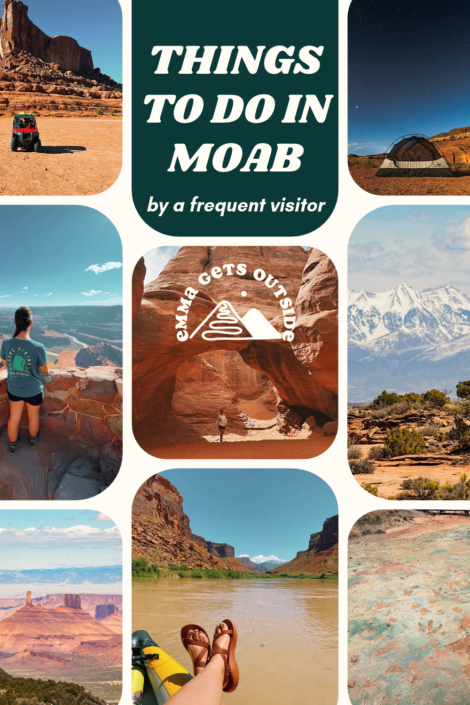
📌 Pin this image on Pinterest to save this post for reference.
Things to Do in Moab FAQs
Is Moab worth visiting if you don’t hike?
Absolutely! While Moab is famous for its hiking trails, you can still enjoy the area in plenty of ways. You can explore scenic drives, go rafting on the Colorado River, take a guided off-roading tour, visit dinosaur track sites, or browse the shops and restaurants downtown.
What is Moab, Utah, best known for?
Moab is best known for its incredible red rock landscapes and proximity to Arches and Canyonlands National Parks. It’s also a major destination for mountain biking, off-roading, rock climbing, and river rafting. The variety of outdoor adventures is what makes Moab such a fun place to visit.
Can you visit Arches and Canyonlands in one day?
I wouldn’t recommend visiting both in the same day. If you’re short on time, you can visit the highlights of Arches National Park or the Island in the Sky District of Canyonlands in one day. I believe each park needs it’s own day to fully appreciate.
Are there free things to do in Moab?
Yes, tons! Some of my favorite free activities include hiking outside the national parks, exploring dinosaur tracks, viewing petroglyphs, and driving scenic Highway 128.
Is Moab dog-friendly?
Moab has several excellent dog-friendly hiking trails, including Grandstaff Canyon, Fisher Towers, and Mary Jane Canyon. However, dogs are not permitted on hiking trails inside Arches or Canyonlands National Parks. If you’re traveling with your dog, plan to spend some time exploring the surrounding public lands.
Do you need a 4WD vehicle to explore Moab?
No! You can visit most of Moab’s major attractions, including Arches, Island in the Sky, scenic highways, and many popular trailheads, with a regular passenger car. A high-clearance 4WD vehicle is useful for more remote backcountry routes, but it’s not necessary for a great trip.